

How to Maintain Healthy Joints as a Golfer
Golf is often described as a “low-impact” sport, but any golfer who plays regularly knows the game can be demanding on the body. The golf swing places repeated stress on the spine, hips, shoulders, elbows, and knees. Over time, poor mobility, strength imbalances, and overuse can lead to joint pain or even long-term injury.

Written By: Coach Bobby, Strength & Conditioning Coach at P4G Los Altos.
Focusing on Key Joints
A powerful and efficient golf swing requires maintaining mobility in several key joints:
Hips
Thoracic spine (mid-back)
Shoulders
Ankles
When these areas lose mobility, the body compensates by placing excess stress on other joints—often the lower back, elbows, or knees.
Strengthen Joints to Protect from Injury
Strong muscles act as shock absorbers and stabilizers for your joints. Without sufficient strength, the joints themselves take on more of the load. For golfers, strength training should focus on:
Glutes and hips for rotational power and lower-body stability
Core muscles for spinal protection and efficient force transfer
Upper back and shoulders for swing control and shoulder joint stability
Exercises like deadlifts, split squats, cable rotations, and rows can help build the structural support your joints need to handle the repetitive demands of golf.
Proper Warm-Up
One of the biggest mistakes golfers make is going straight from the car to the first tee.
A proper warm-up prepares the joints for rotation, speed, and force. It also improves swing mechanics and can even add distance.
An effective golf warm-up should include:
Glue Activation Series
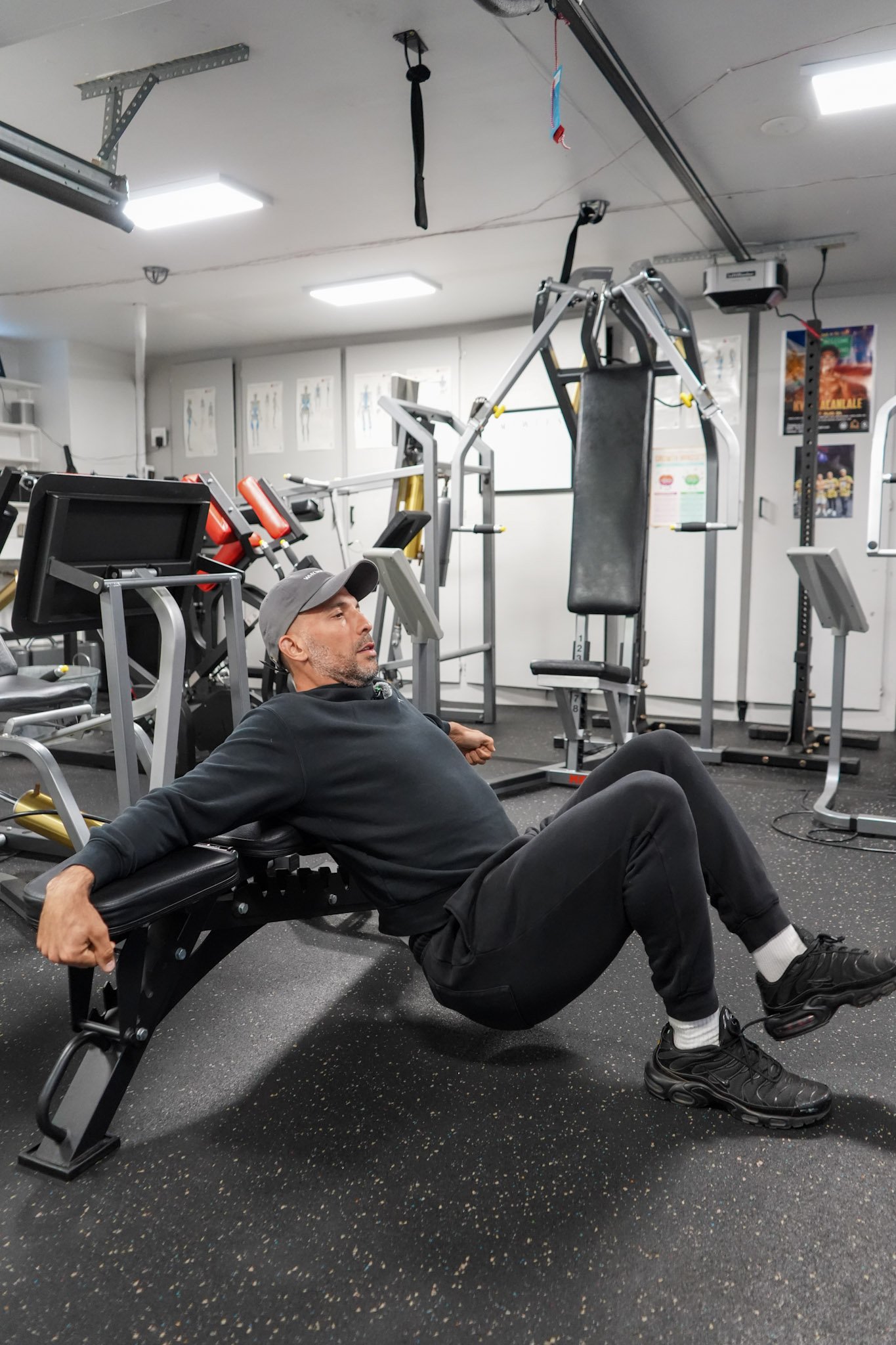
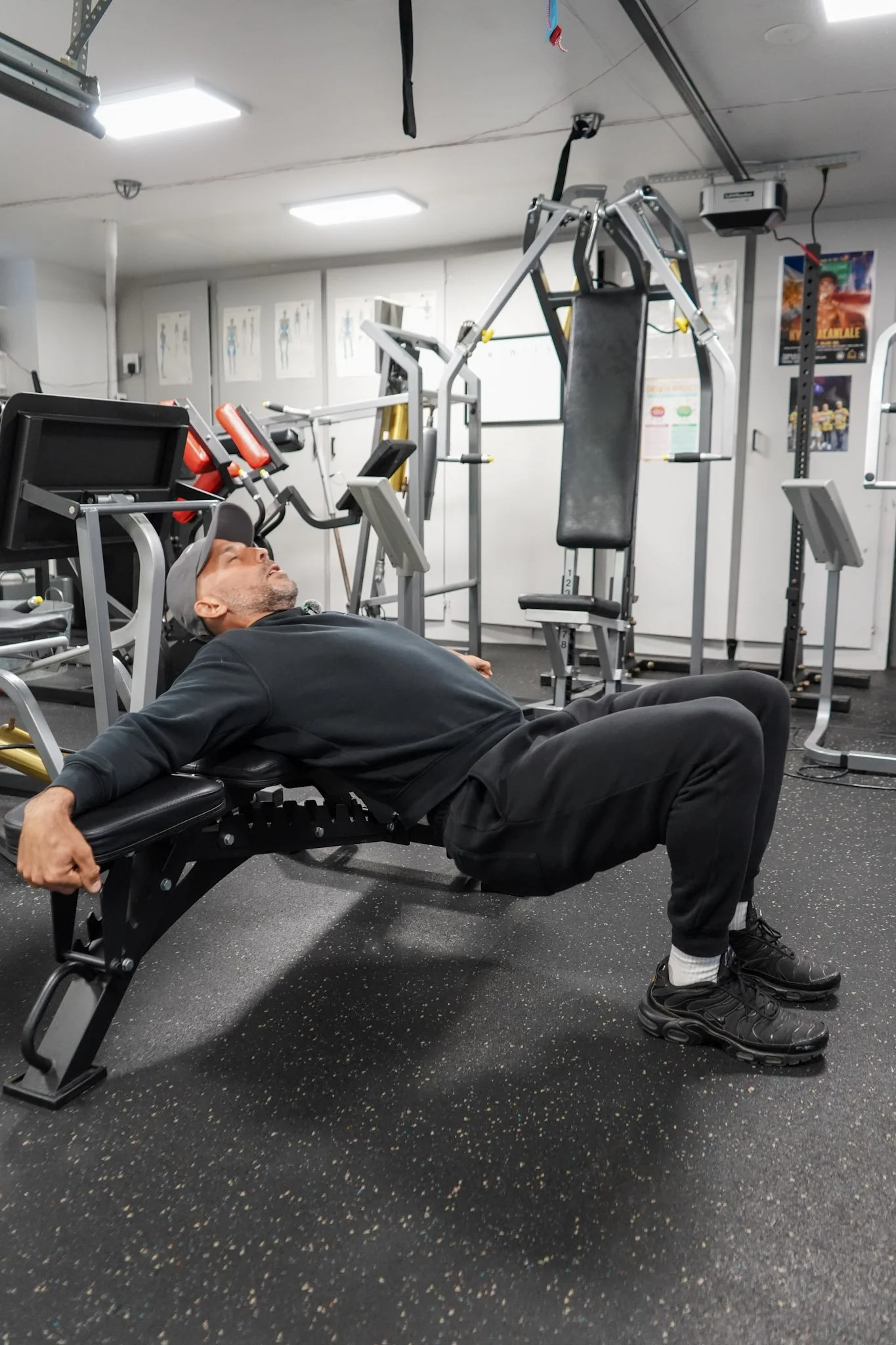
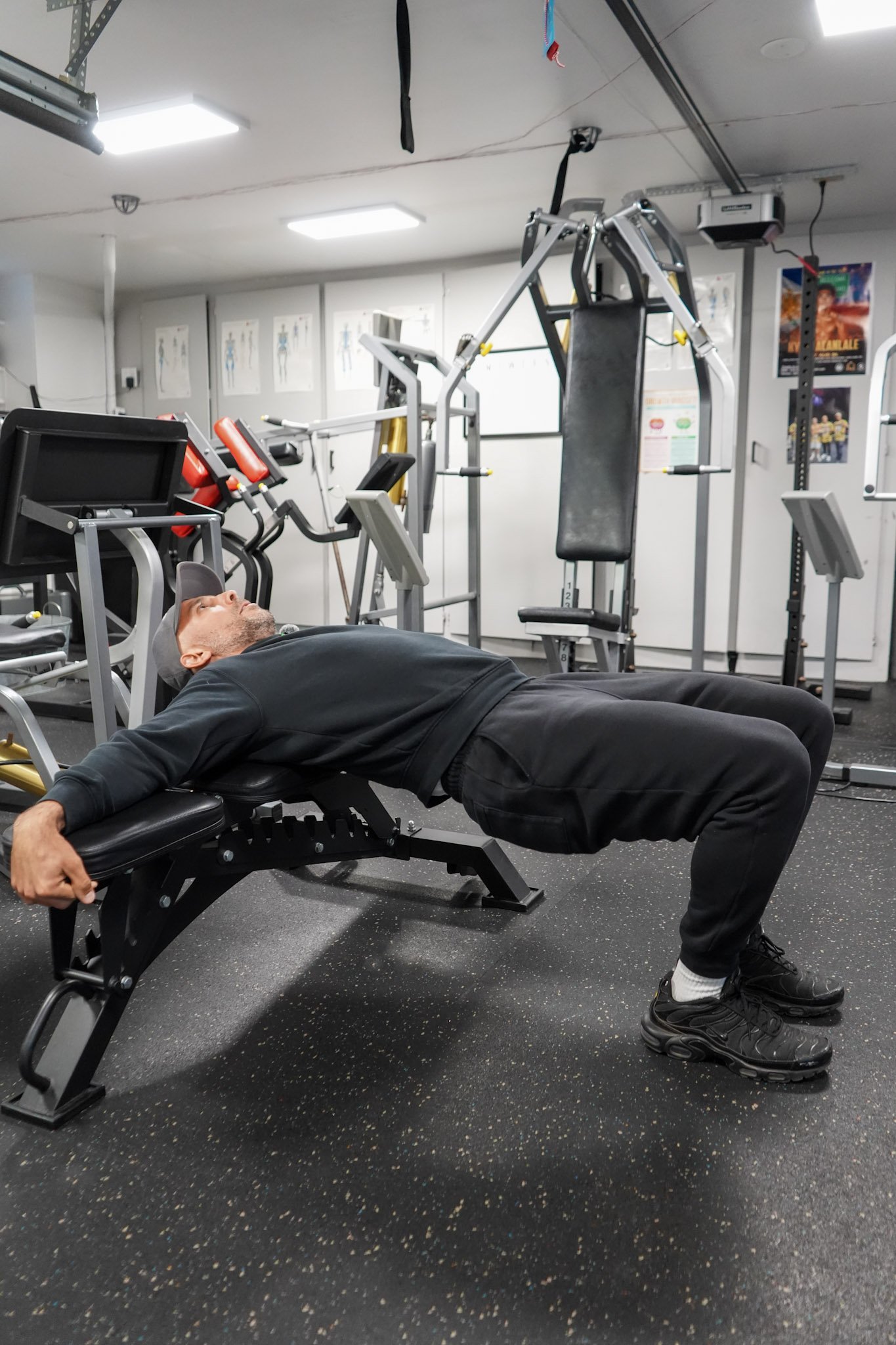
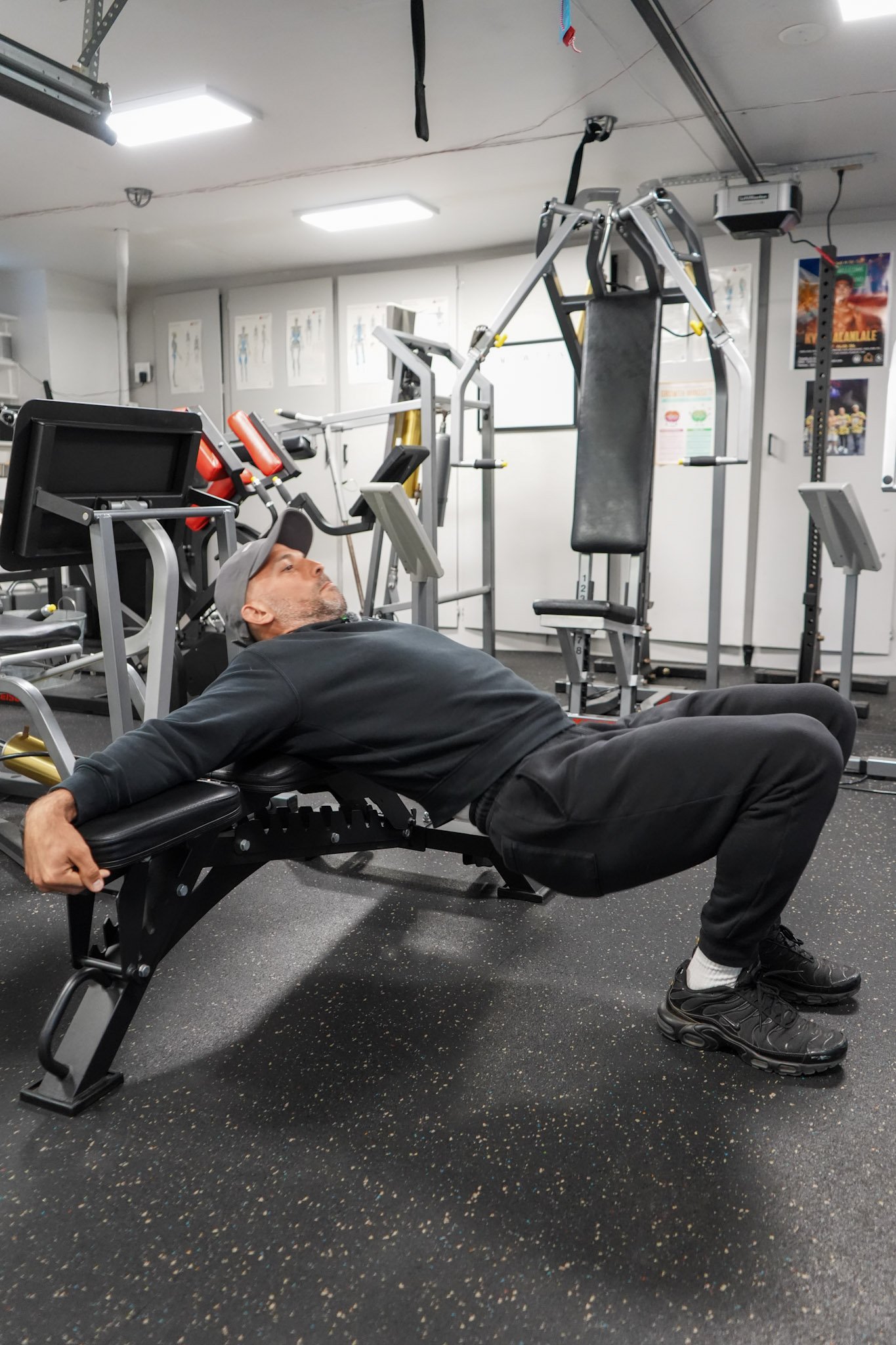
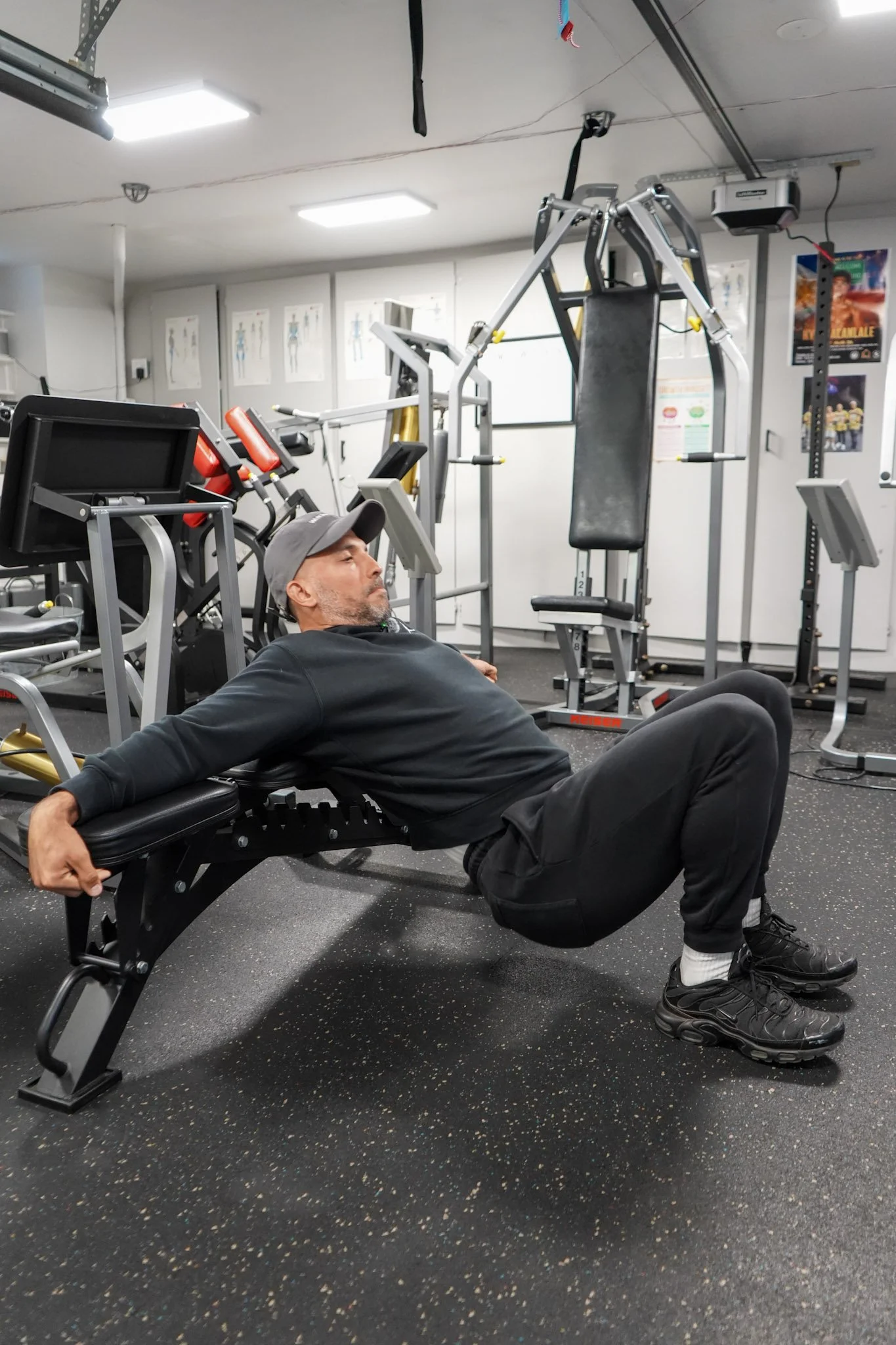
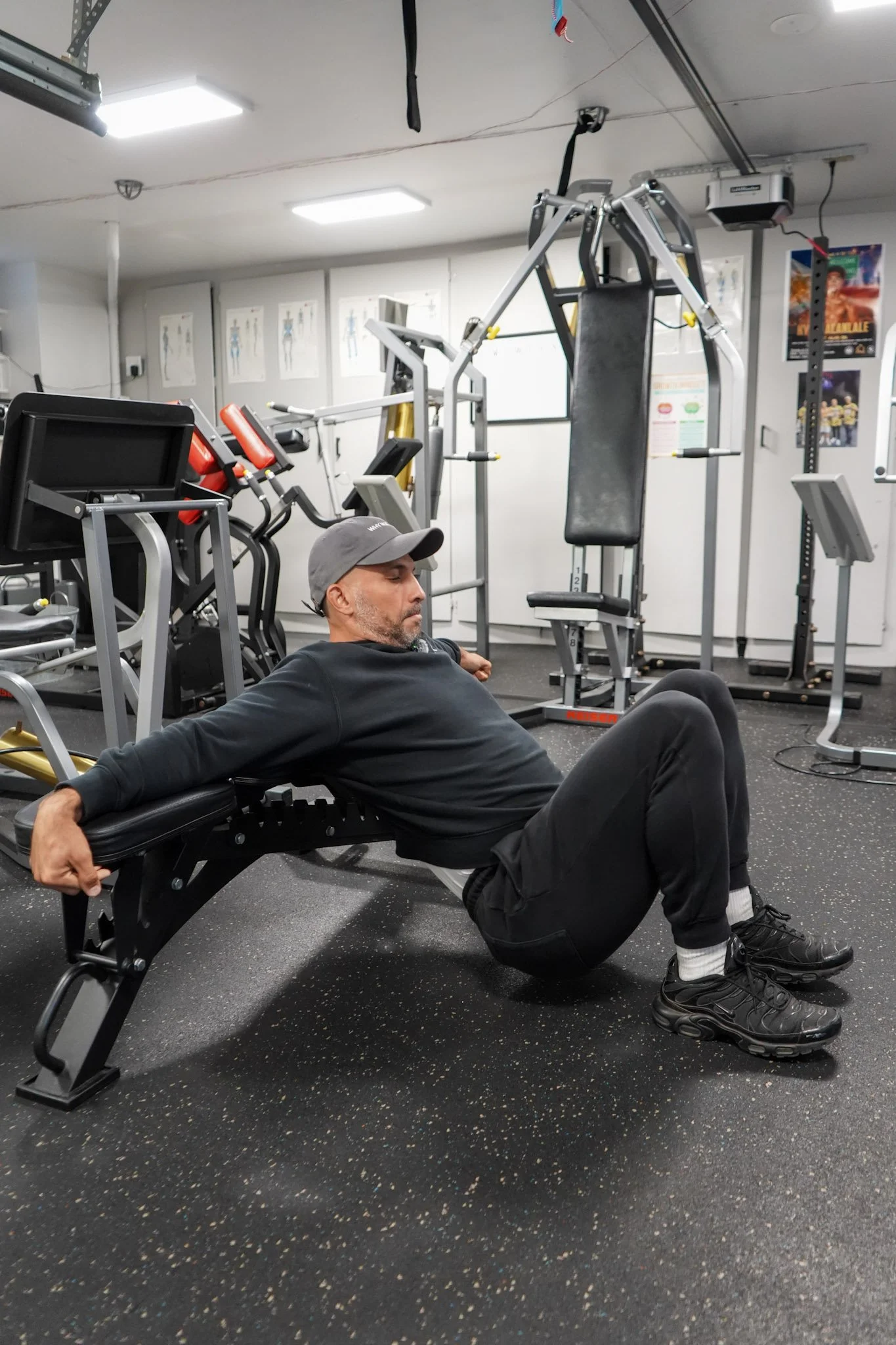
Dynamic Hip and Thoracic Rotations
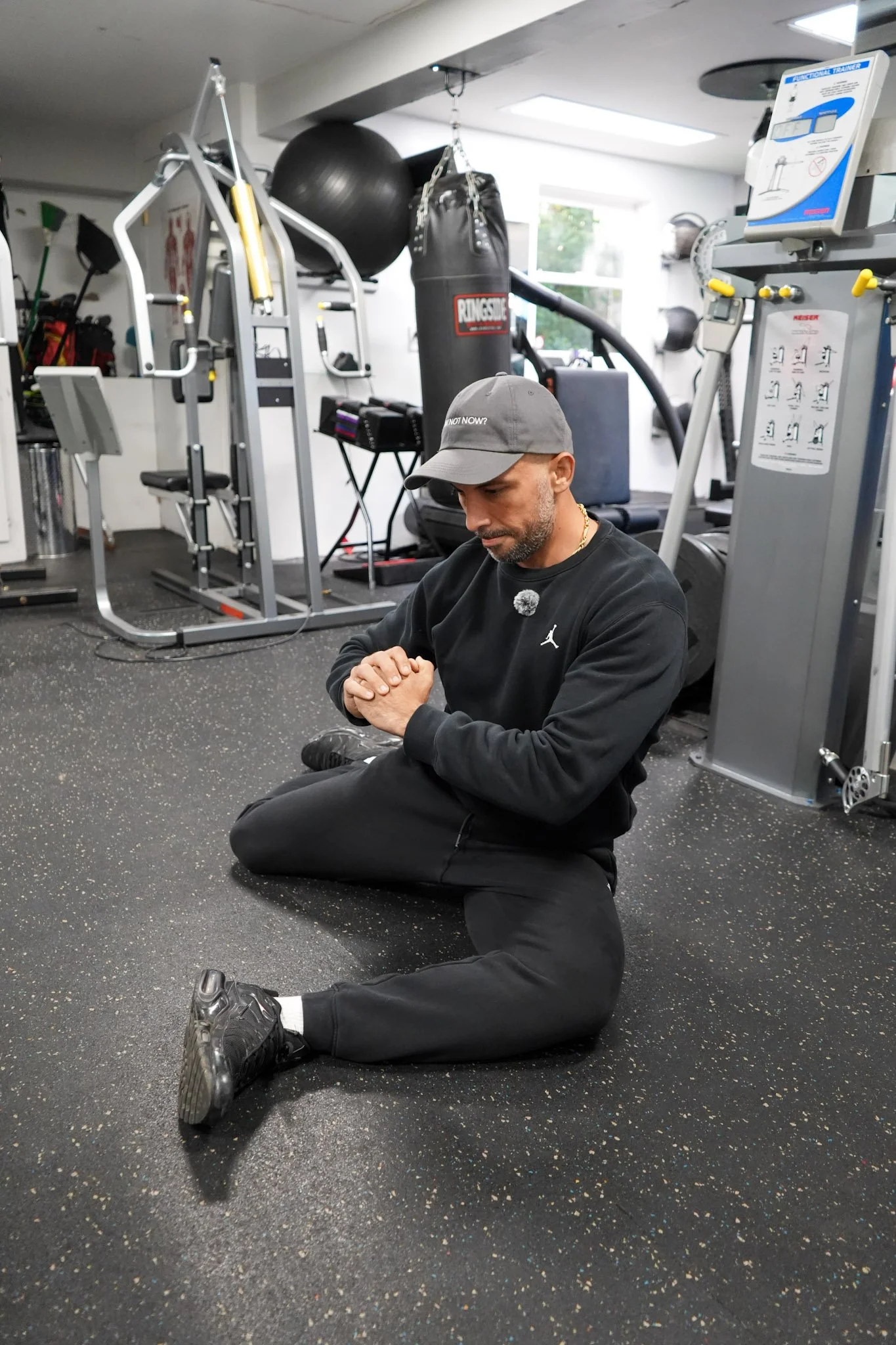
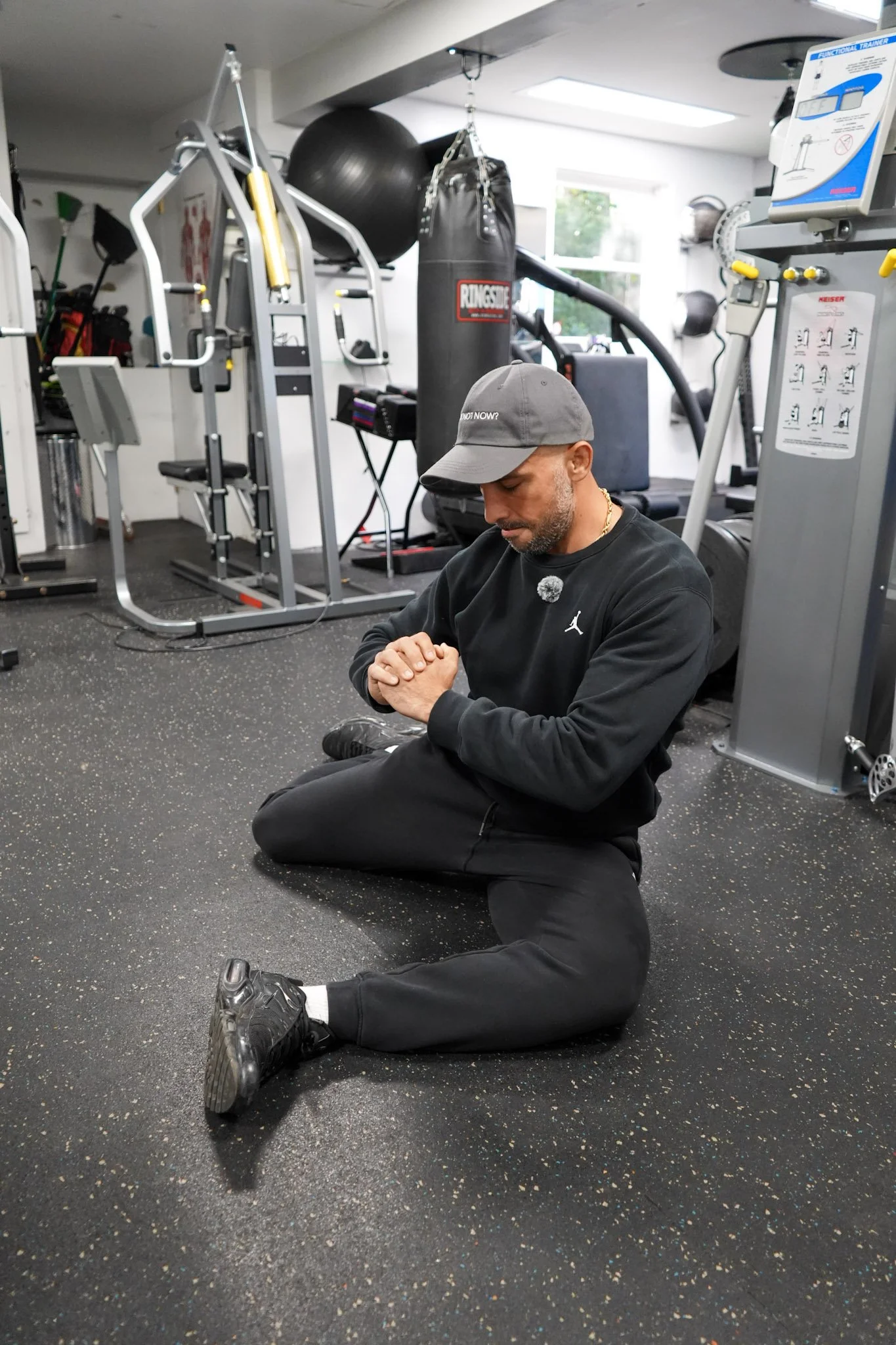
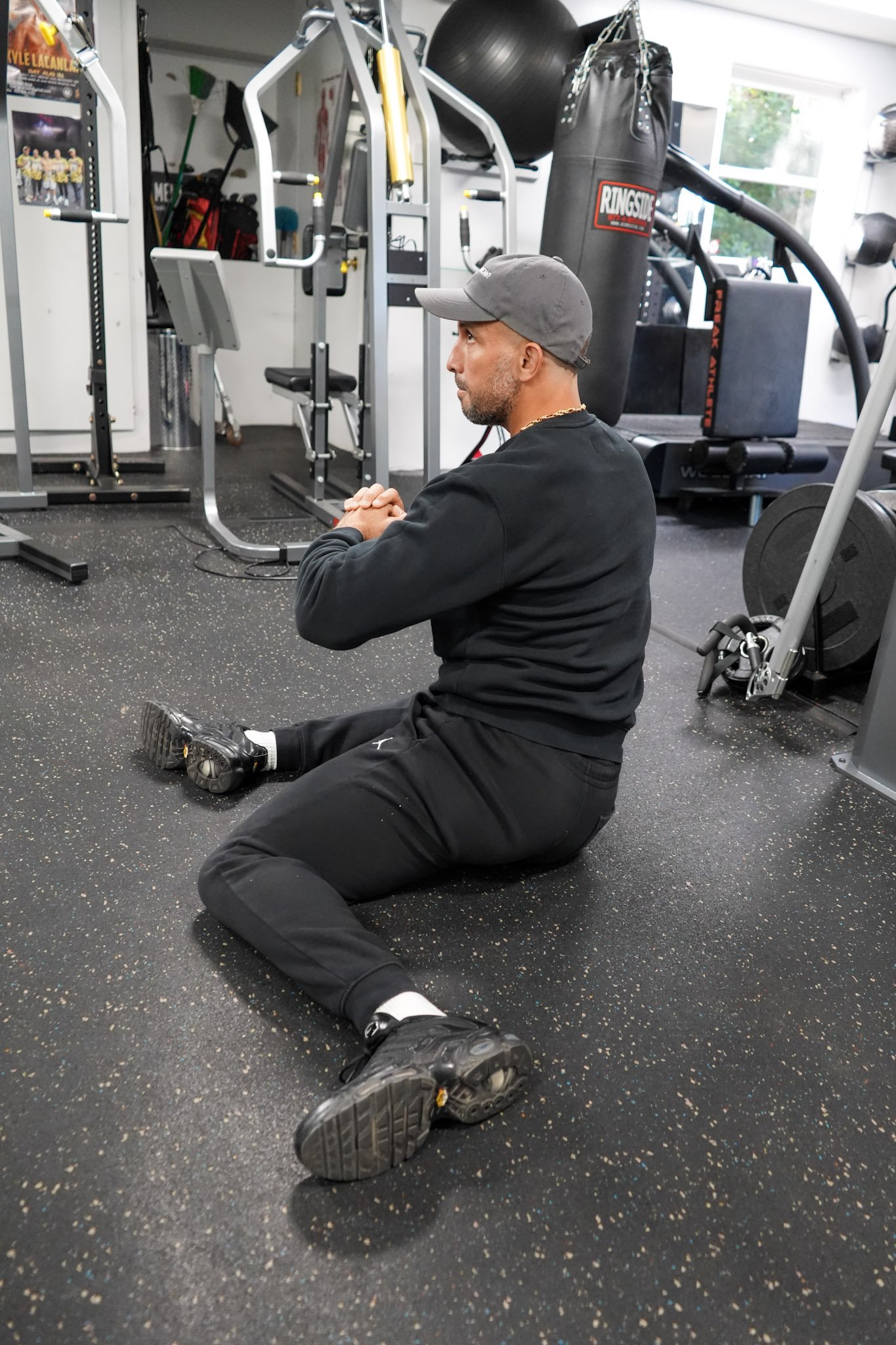
Shoulder and Scapular Mobility Drills
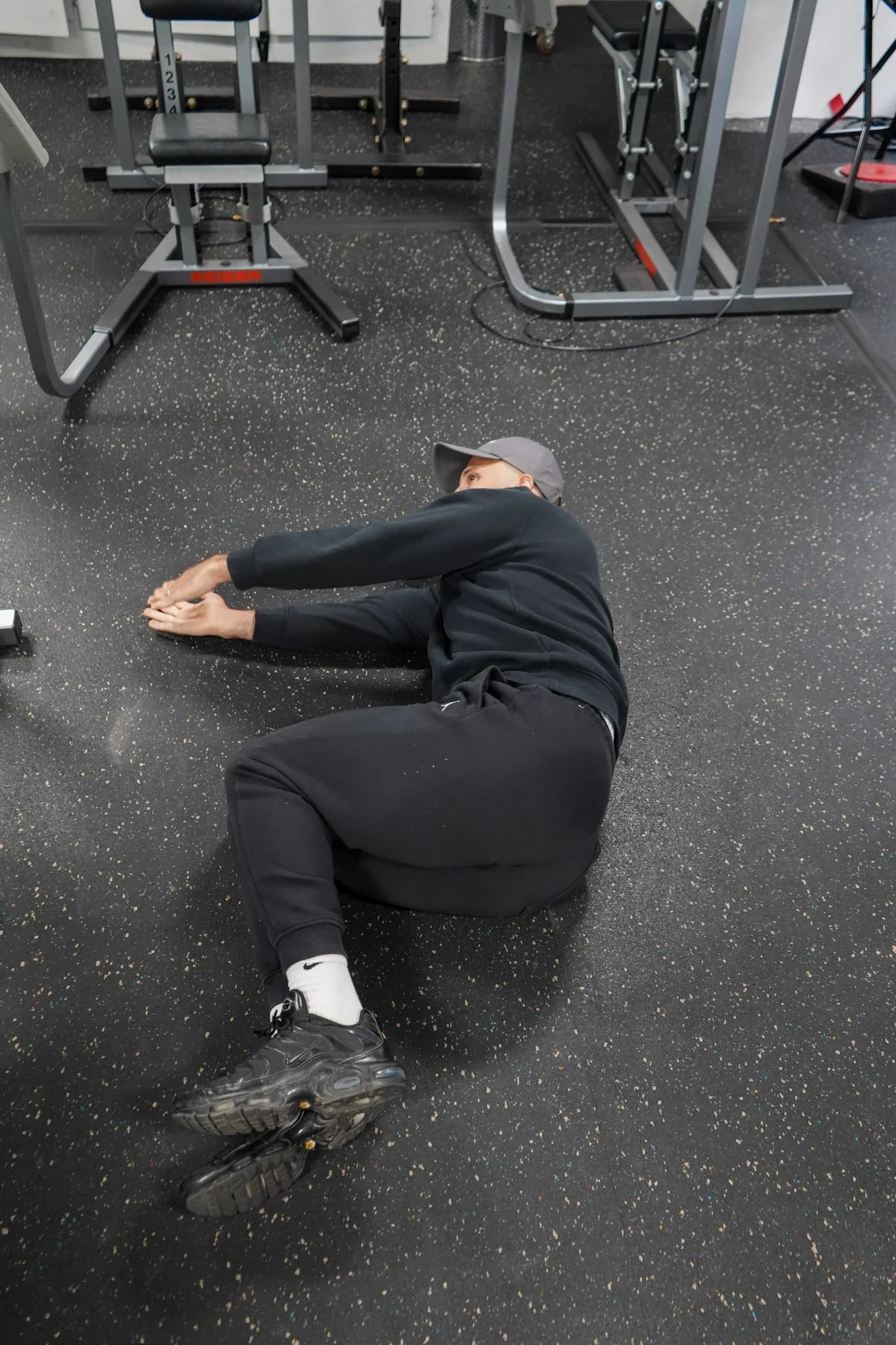
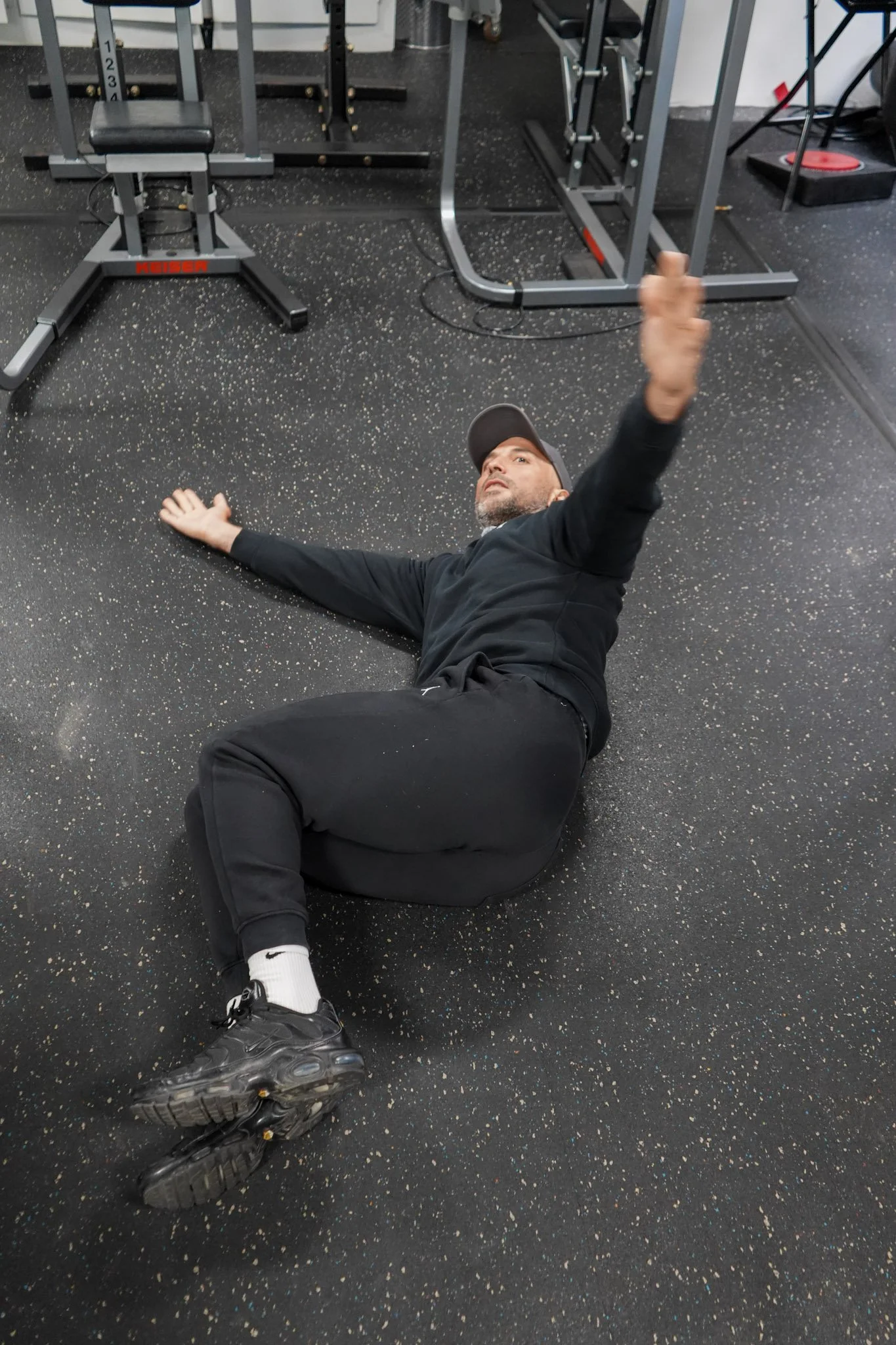
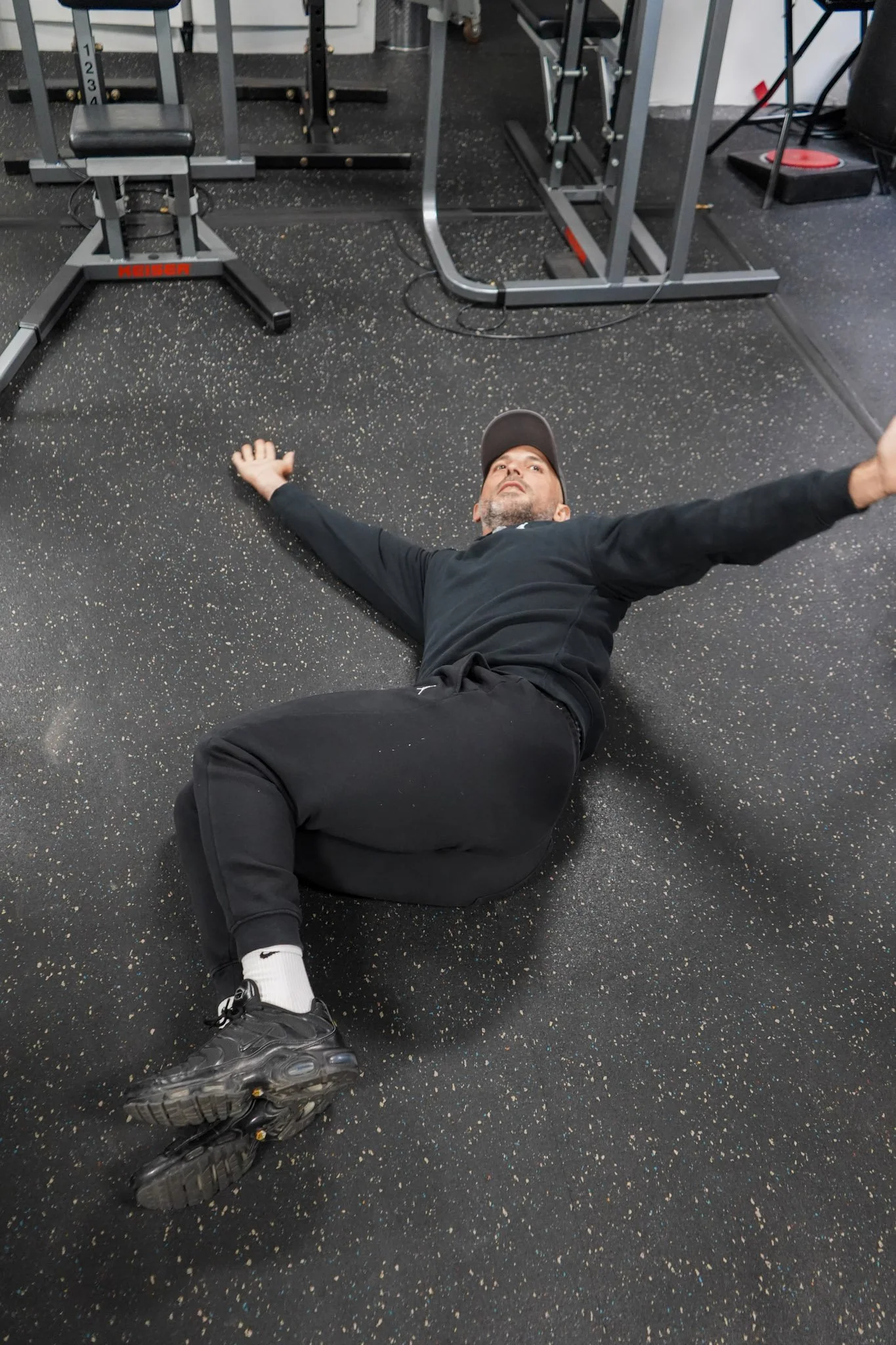
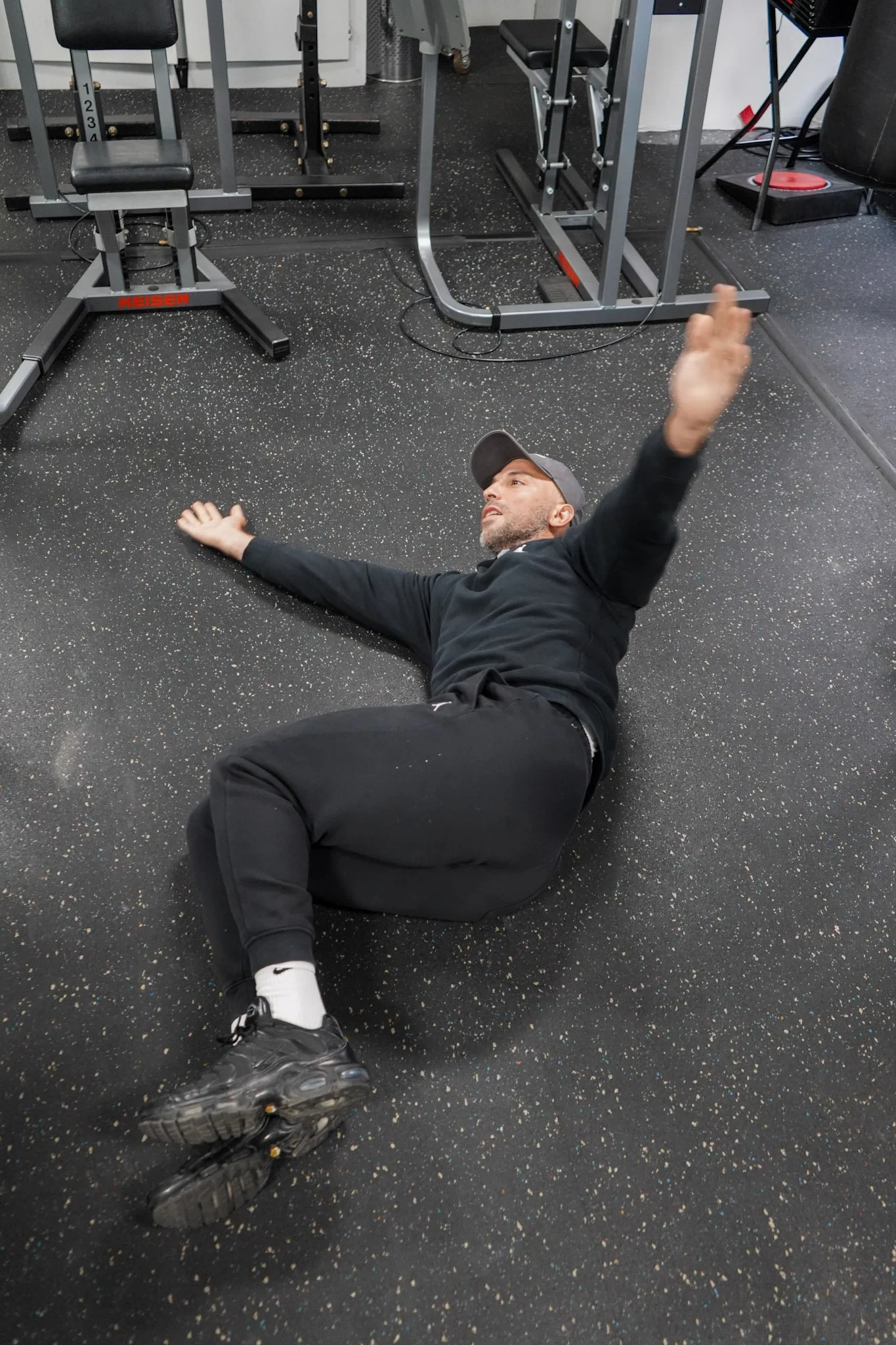
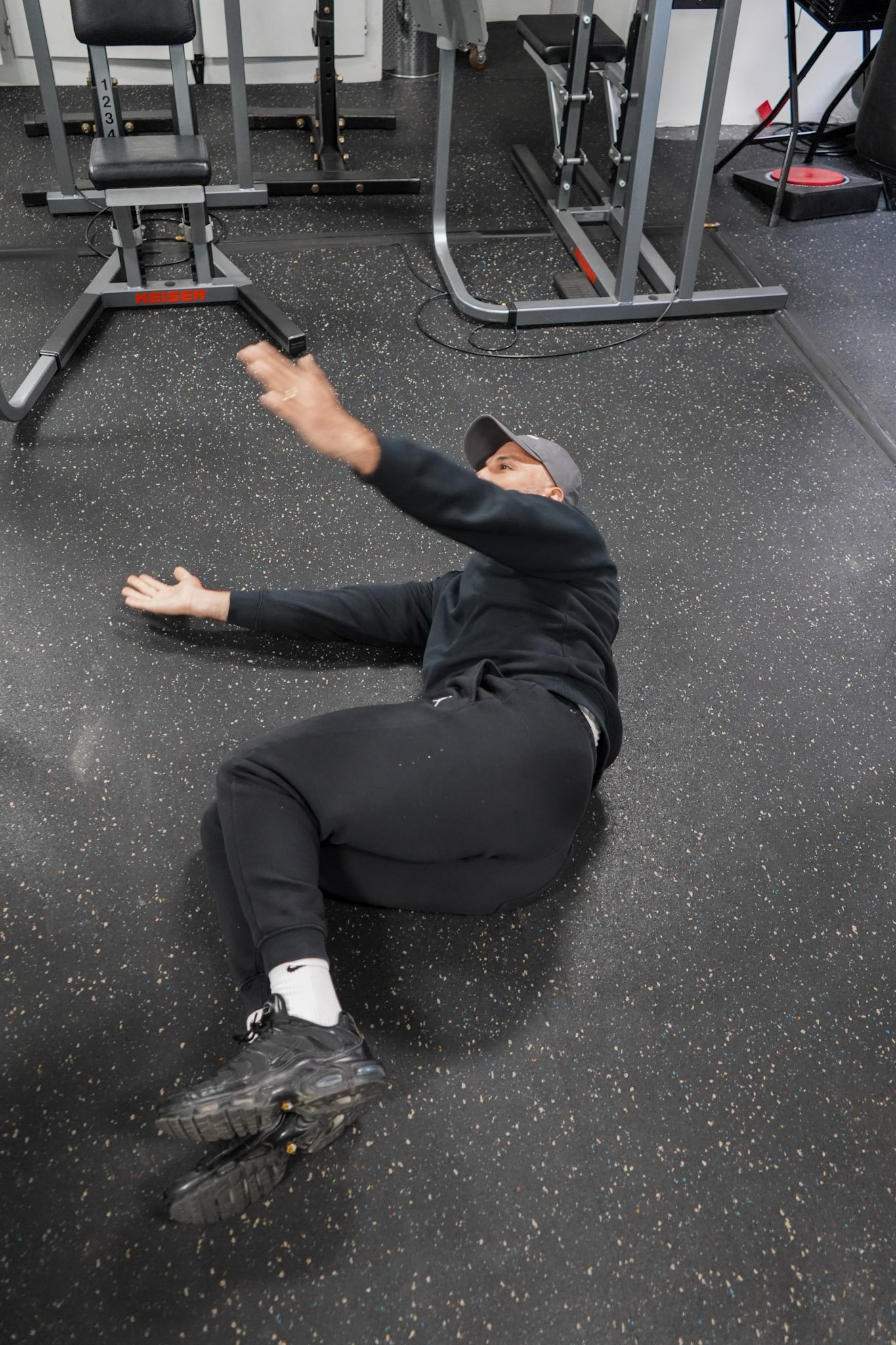
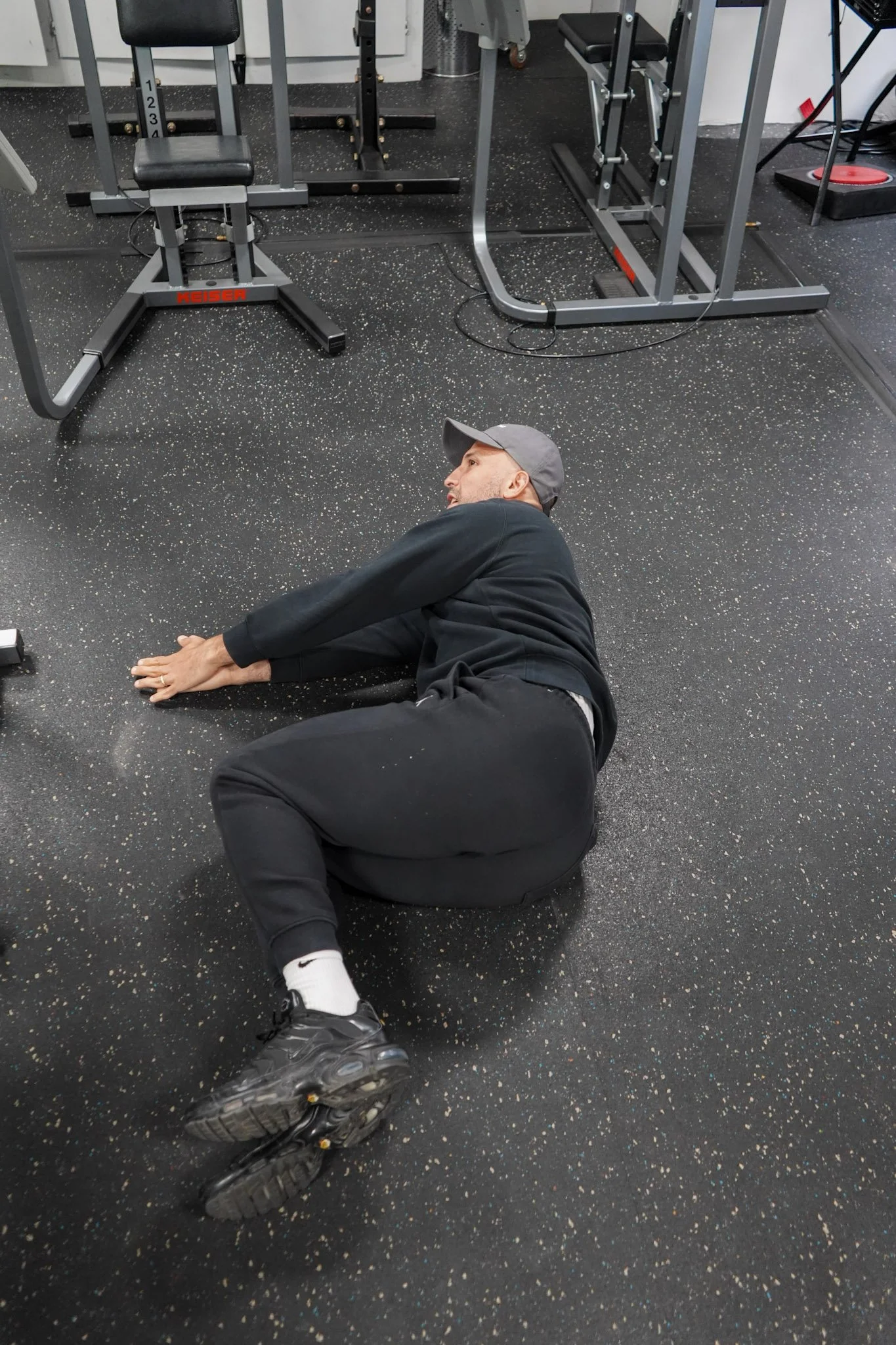
Light swing progressions
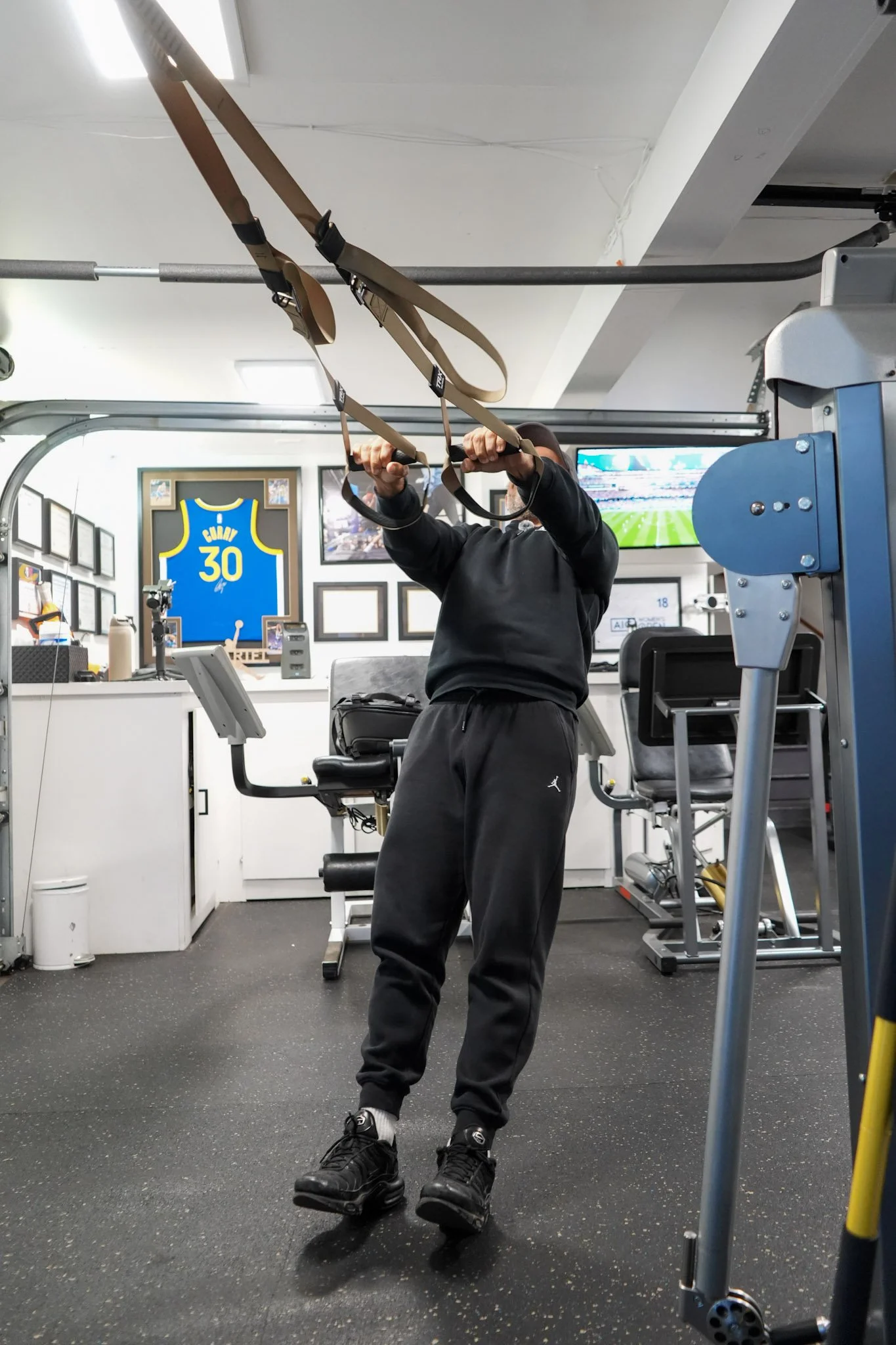
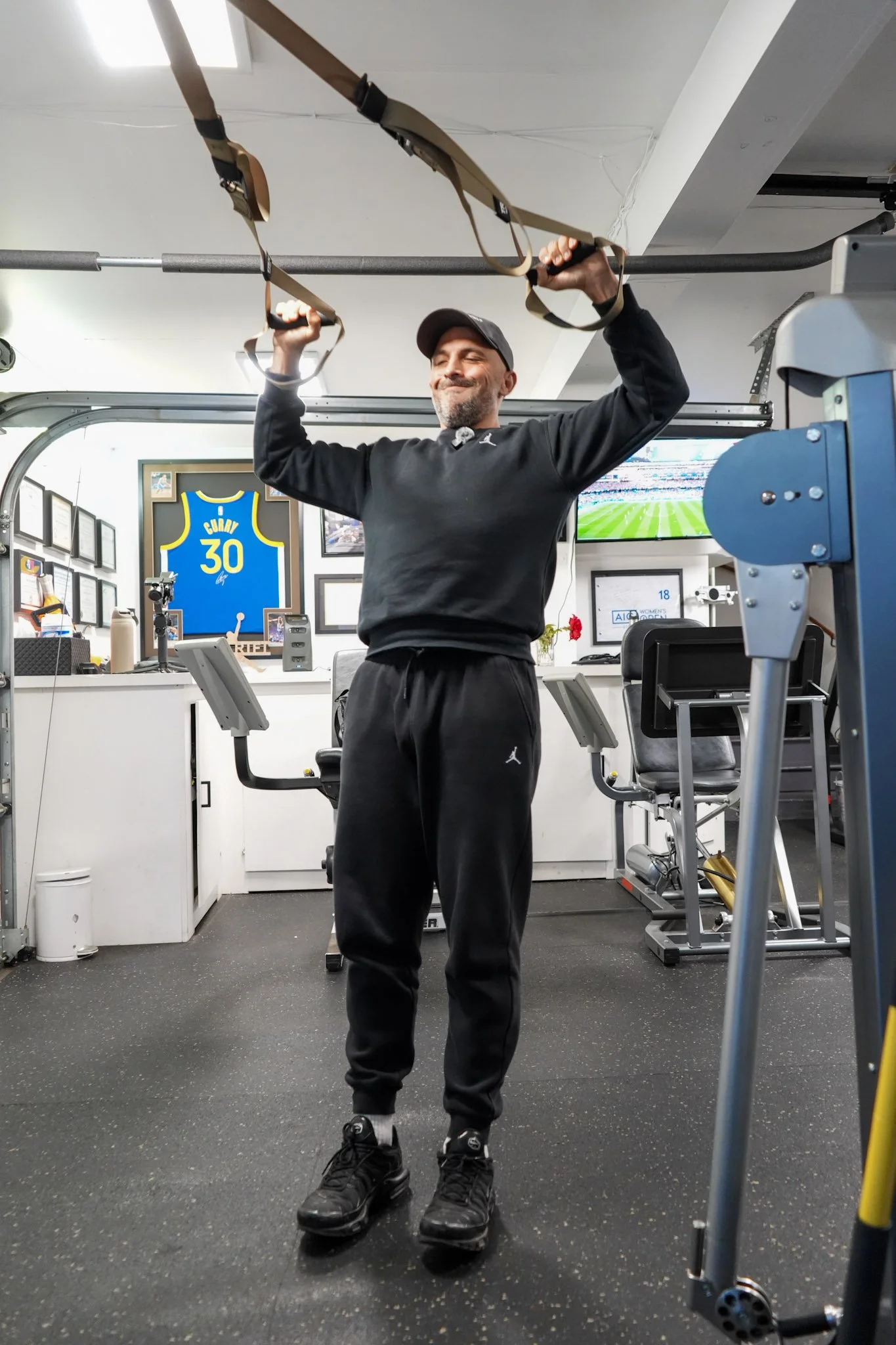
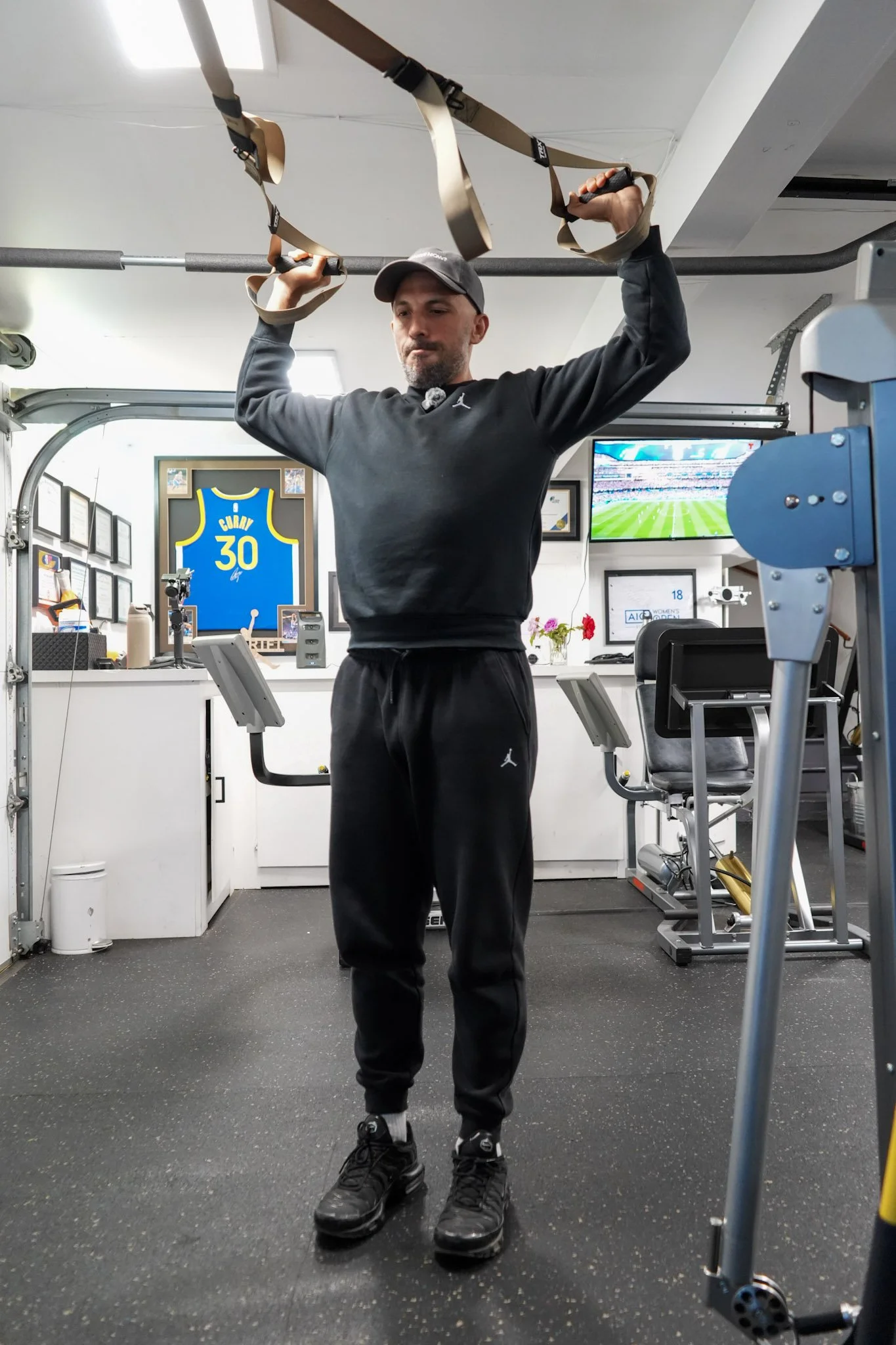
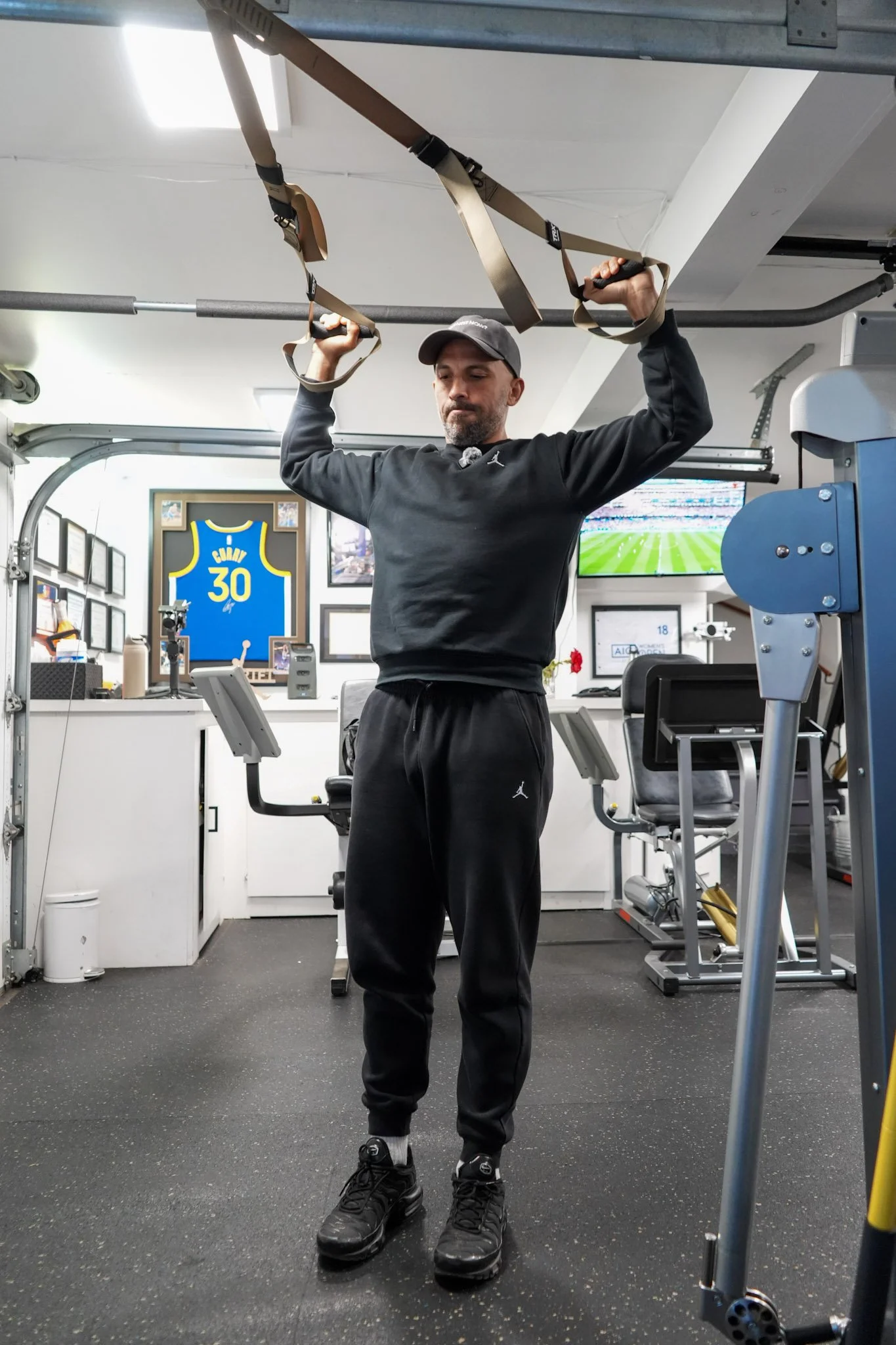
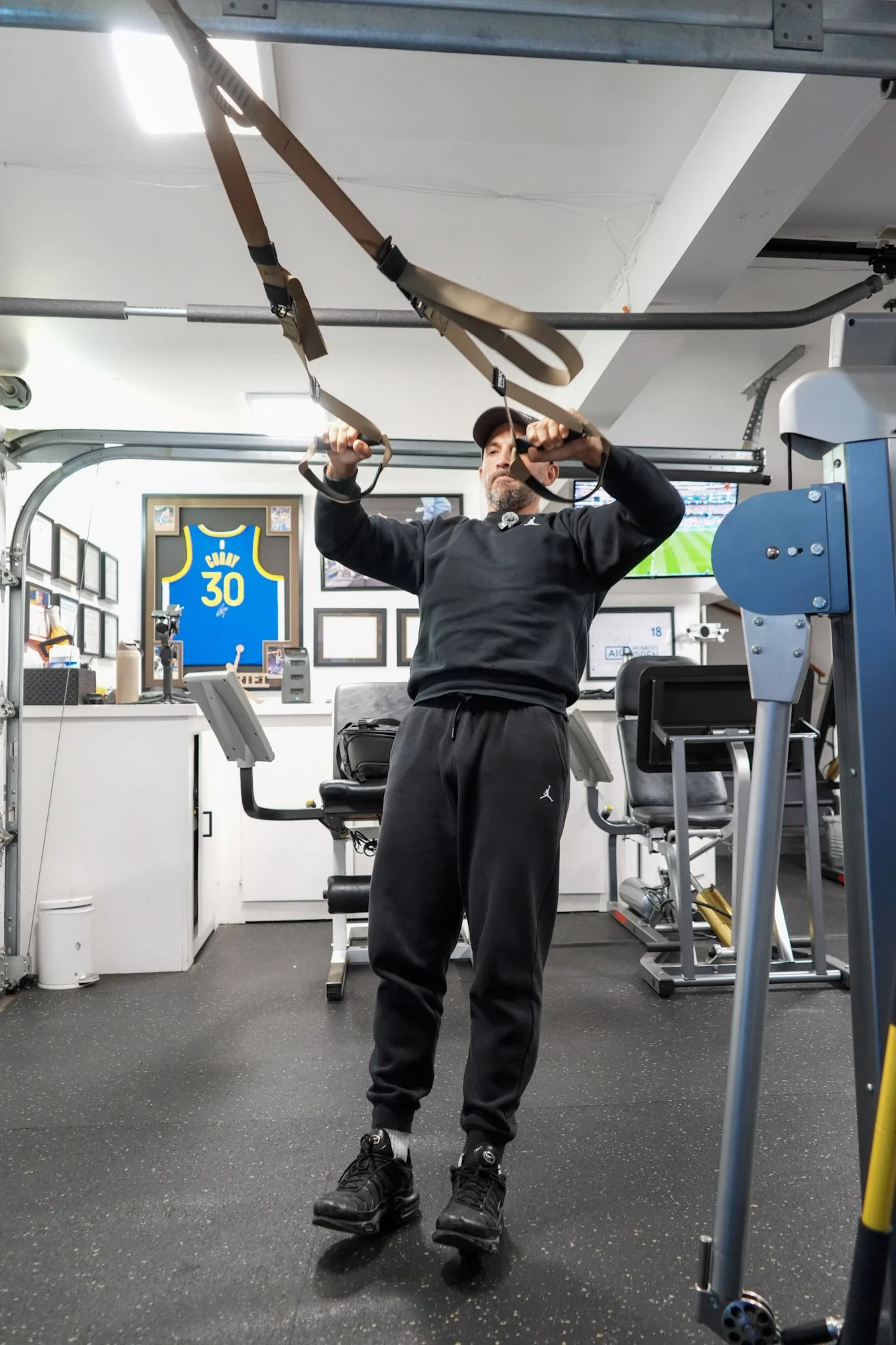
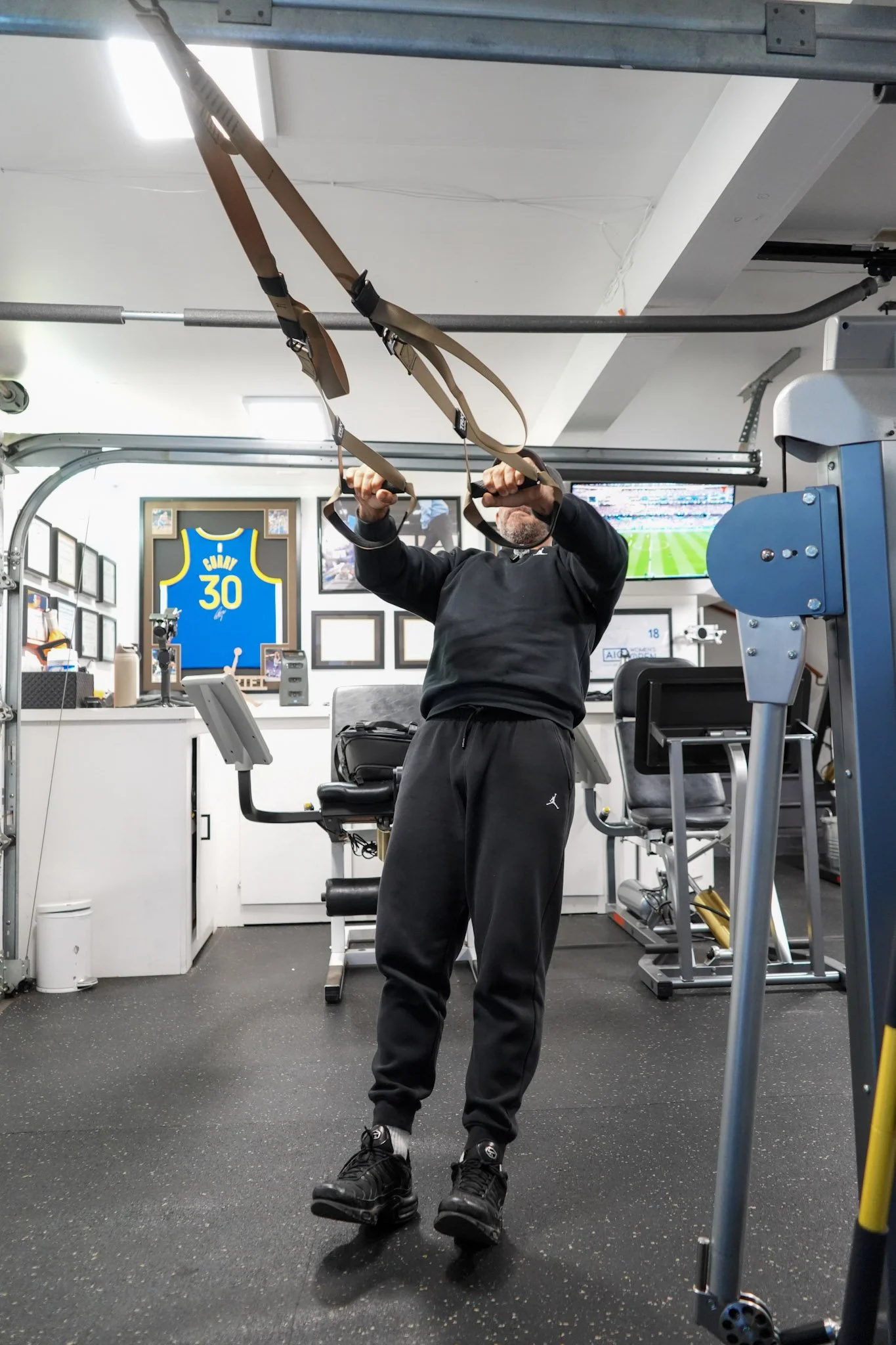
This process increases blood flow to the joints and improves range of motion before you start hitting full shots.
Managing Training Volume
Joint pain in golfers is often the result of too much, too soon.
It’s easy to take on too much volume when trying to figure out your swing. Long practice sessions, multiple rounds in a short time, or excessive range work can overload joints—especially the elbows, wrists, and lower back.
To maintain joint health:
Avoid hitting hundreds of balls in a single practice session
Schedule rest days between heavy playing or training days
Vary practice intensity throughout the week
Recovery strategies like light mobility work, walking, and adequate sleep help joints recover from repetitive stress.
Addressing Small Issues Early
One of the biggest mistakes golfers make is playing through pain until it becomes a major injury. Early warning signs like:
Persistent elbow soreness
Lower-back tightness after rounds
Shoulder discomfort during the swing
It’s recommended to be addressed quickly through mobility work, strength training adjustments, or consultation with a qualified professional. Fixing a small mobility restriction or muscle imbalance early can prevent months away from the game later.
Take Action
The best thing a golfer can do for long-term joint health is take action before pain ever starts. Build a simple mobility routine you can do a few times per week and make a short warm-up part of your routine before every round or practice session. Just 10–15 minutes of preparation can help your body move better, reduce stress on your joints, and keep you playing the game you love for years to come.