

Boosting distance in the golf swing is not just about swinging harder; it is about creating the right mechanics that allow the club to accelerate efficiently. One of the most important contributors to clubhead speed is lag. Lag refers to the angle that forms between the club shaft and the lead arm during the downswing. When this angle is maintained longer before impact, the club is able to accelerate rapidly just before striking the ball. From a biomechanics standpoint, lag allows energy to build and then release at the correct moment, leading to higher clubhead speeds and longer shots.
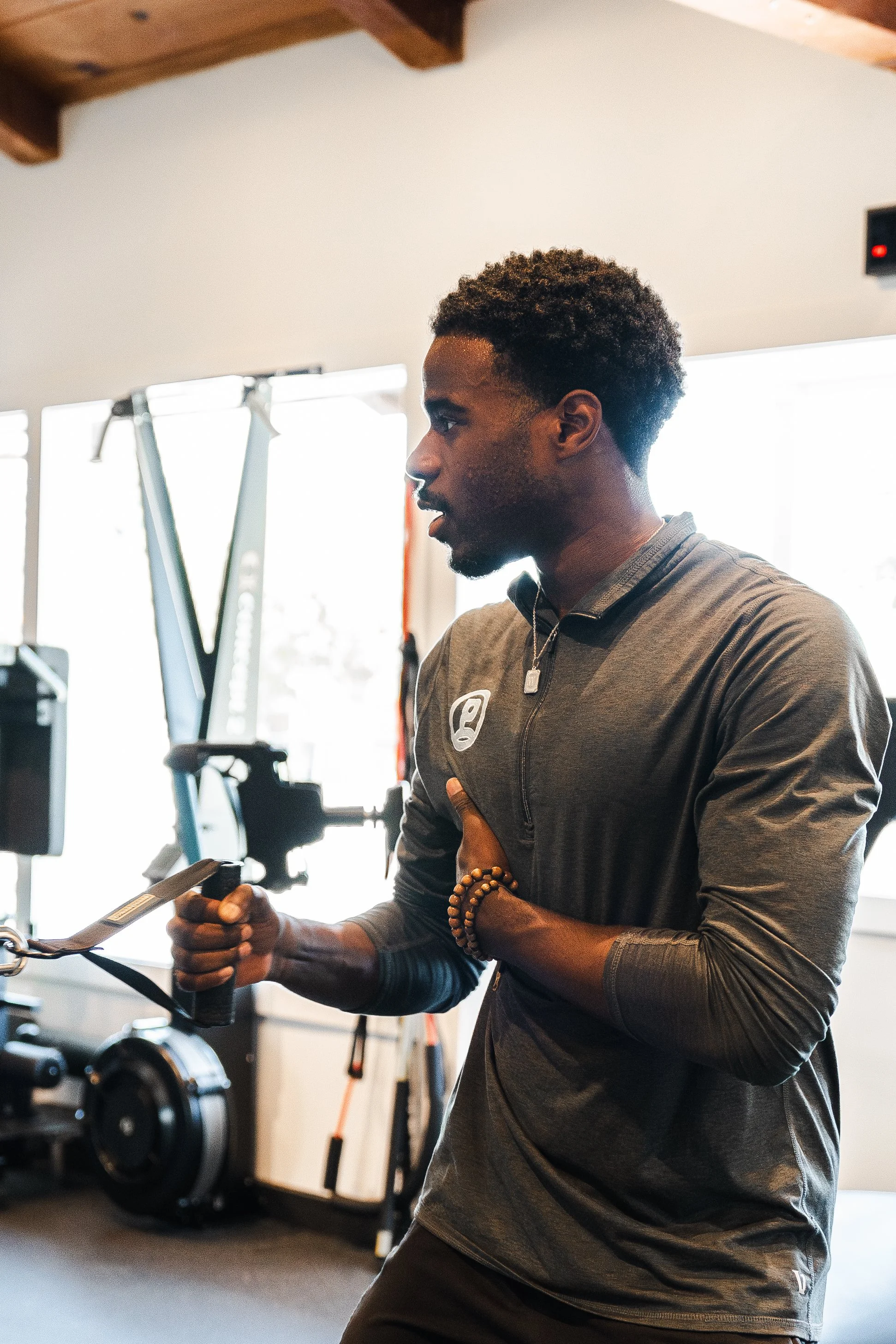
Written by: Isaiah Gilmore, Strength & Conditioning Coach at Perform for Golf
SPINE AND SHOULDER MOBILITY
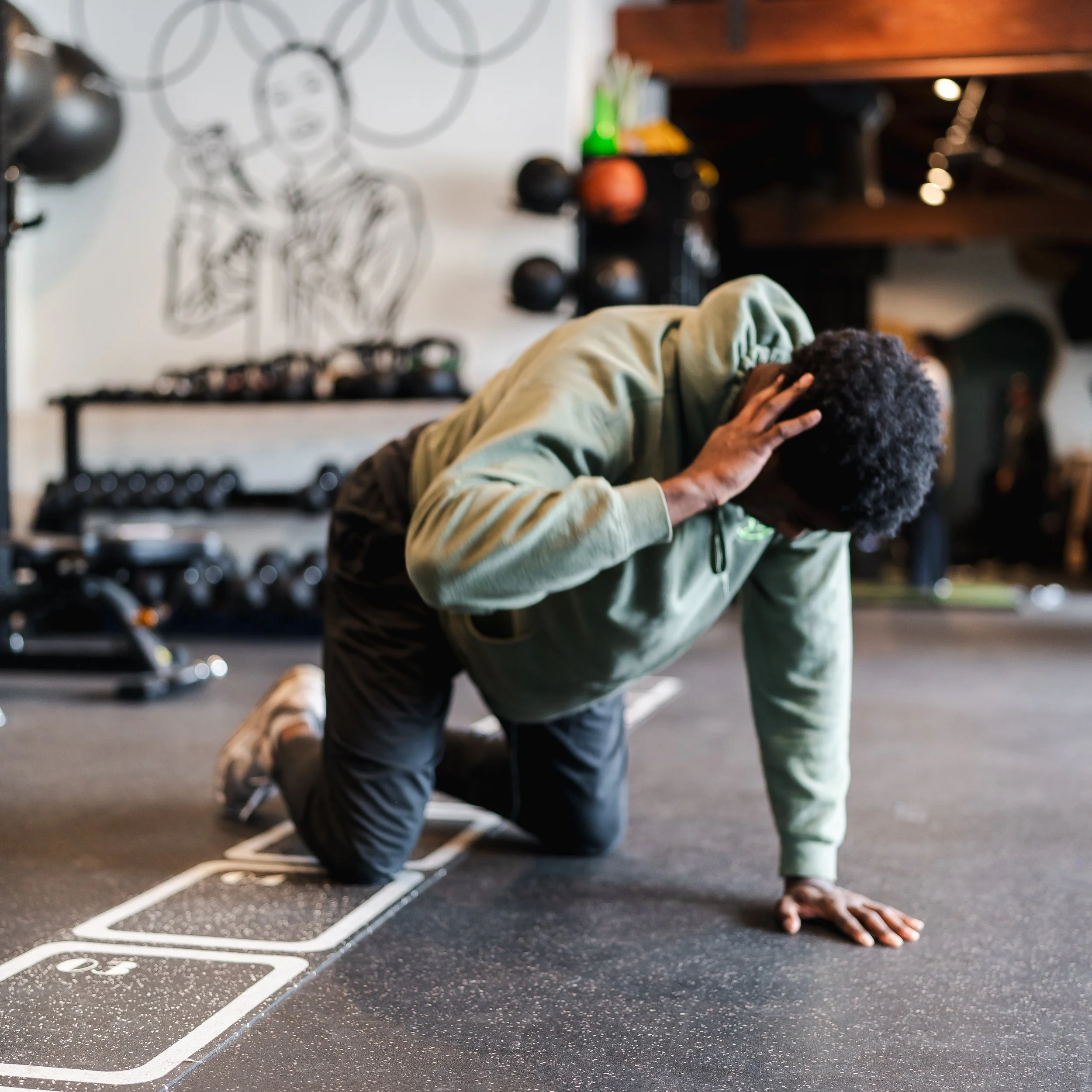
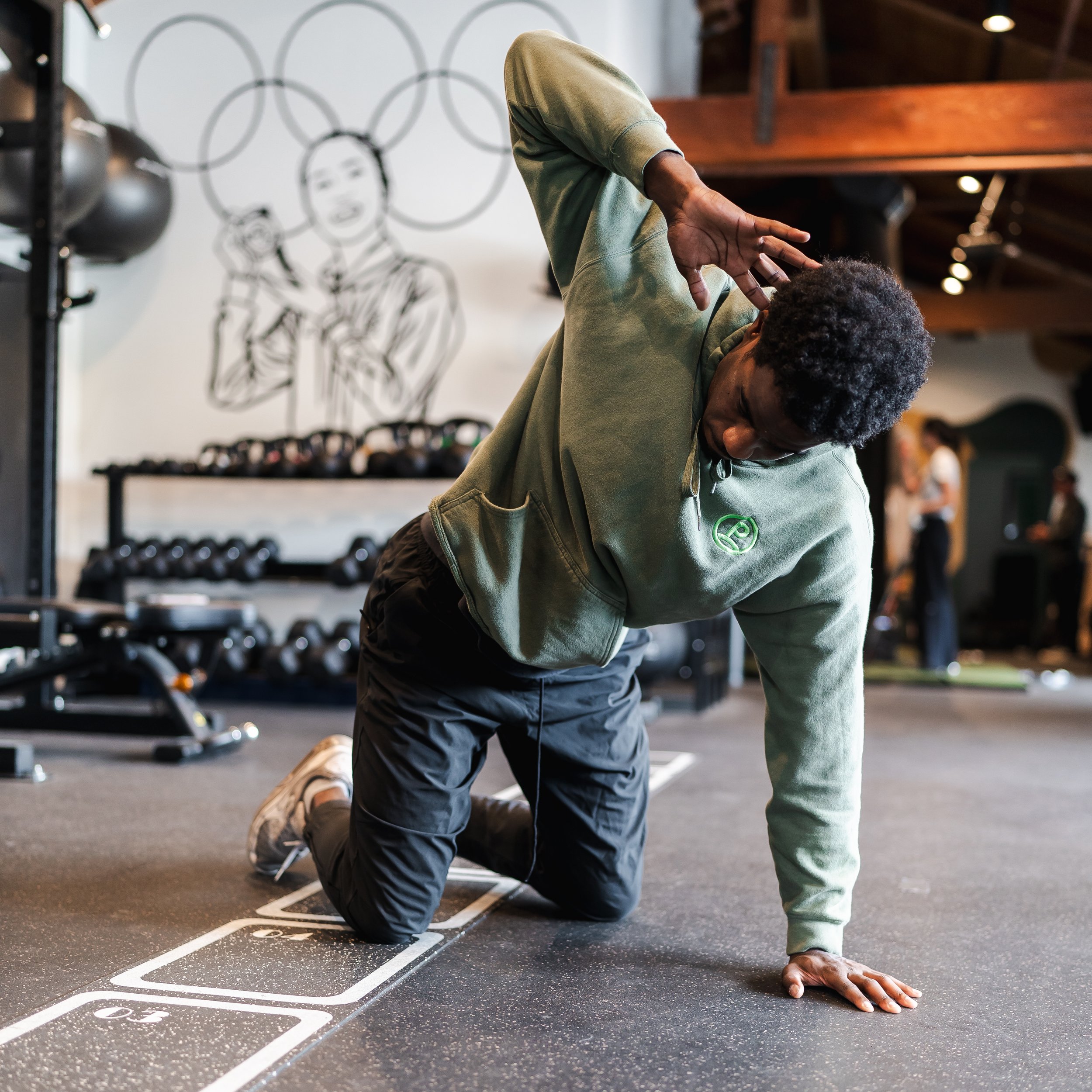
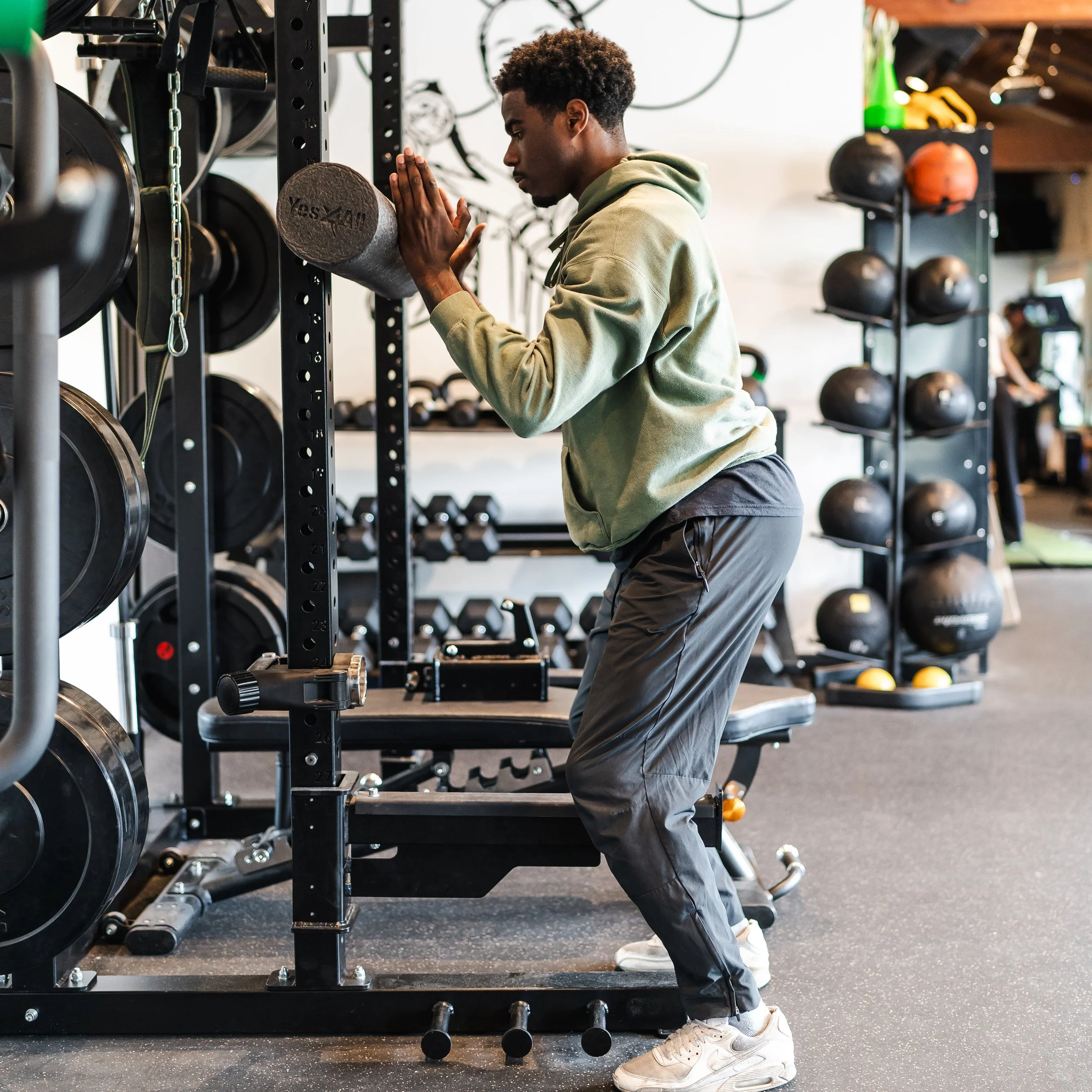
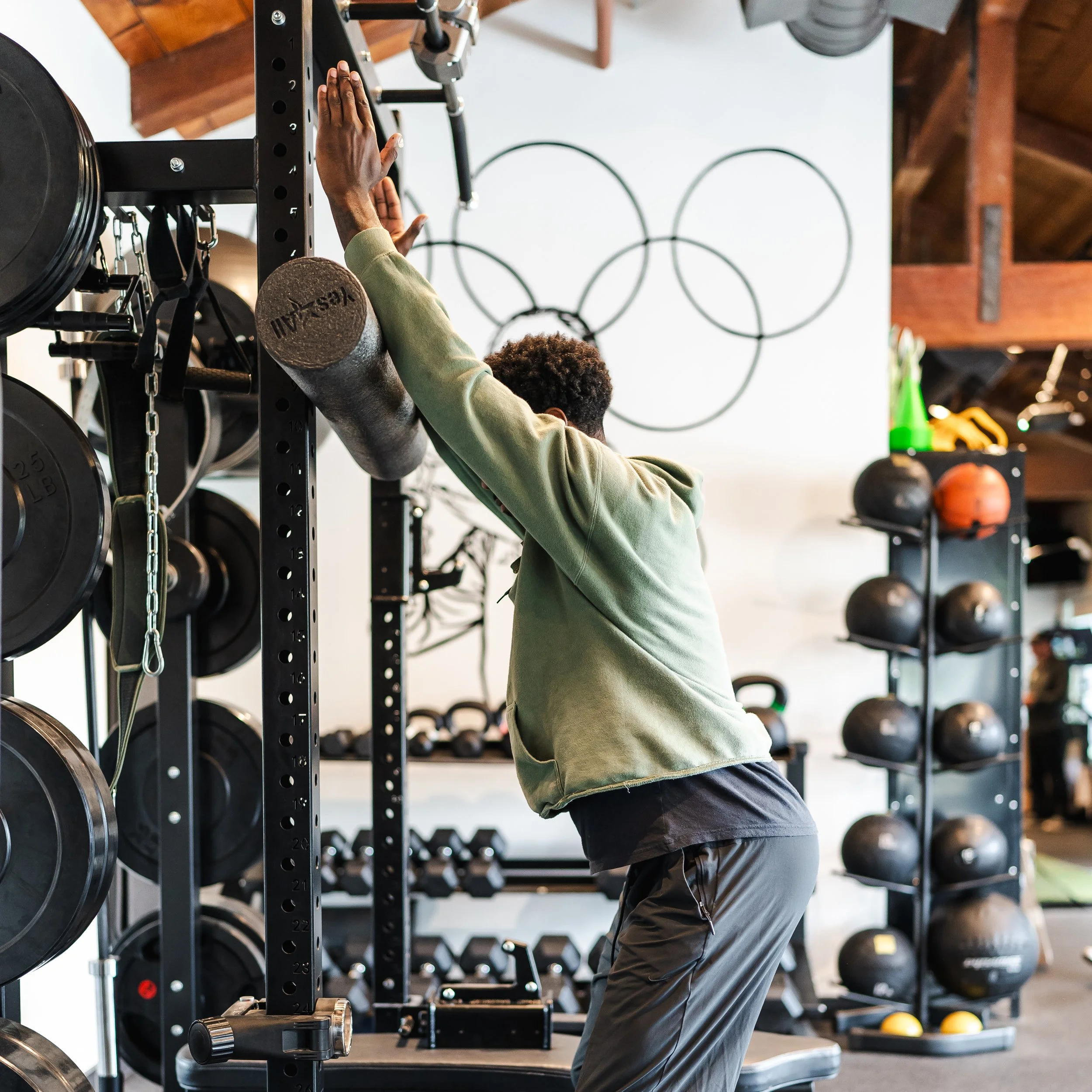
The first key to improving lag is increasing thoracic spine and shoulder mobility. A deeper backswing requires the upper body to rotate freely while maintaining good posture and control. If the thoracic spine or shoulders are restricted, the golfer often runs out of rotation early in the backswing. This can cause the arms to lift or disconnect from the body, making it difficult to maintain the angles needed for lag. Improving thoracic rotation and shoulder mobility allows the golfer to achieve a fuller backswing while keeping the club in a strong position to accelerate during the downswing. Two exercises that can help improve this are quadruped thoracic rotations, which increase rotational mobility through the mid-back, and wall slides, which improve shoulder mobility and overhead positioning while maintaining good rib and spine alignment.
HIP MOBILITY IN DEEP RANGES OF MOTION
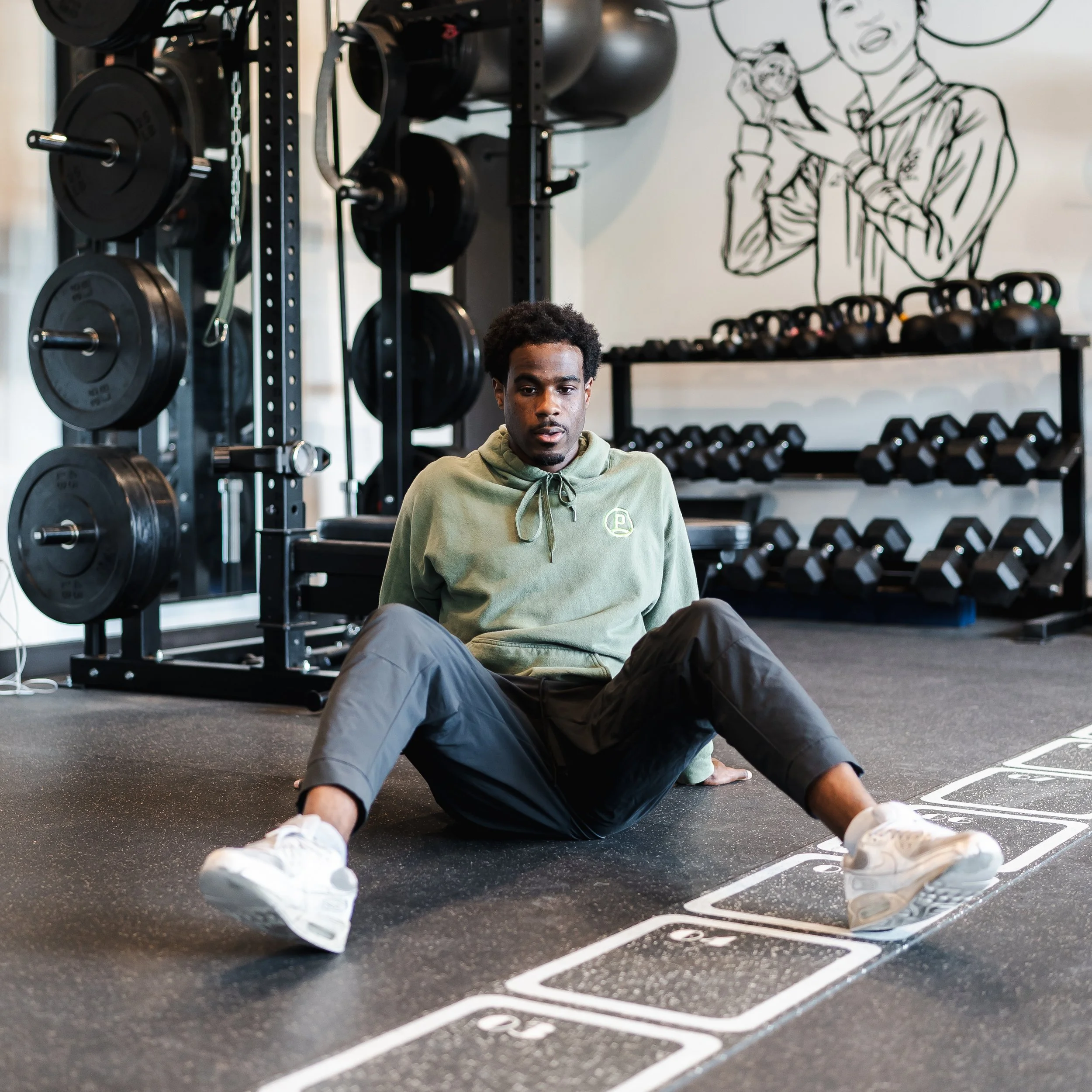
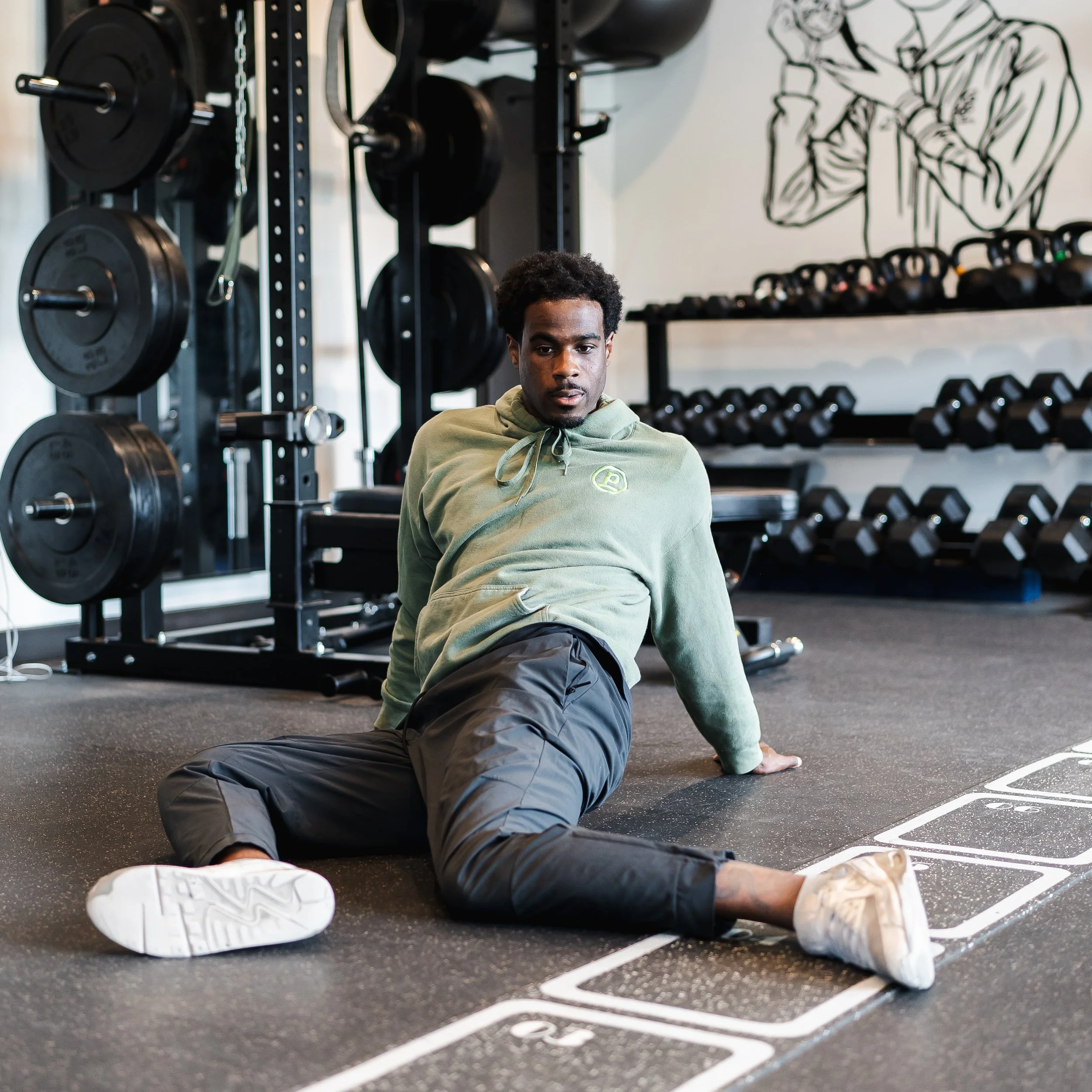
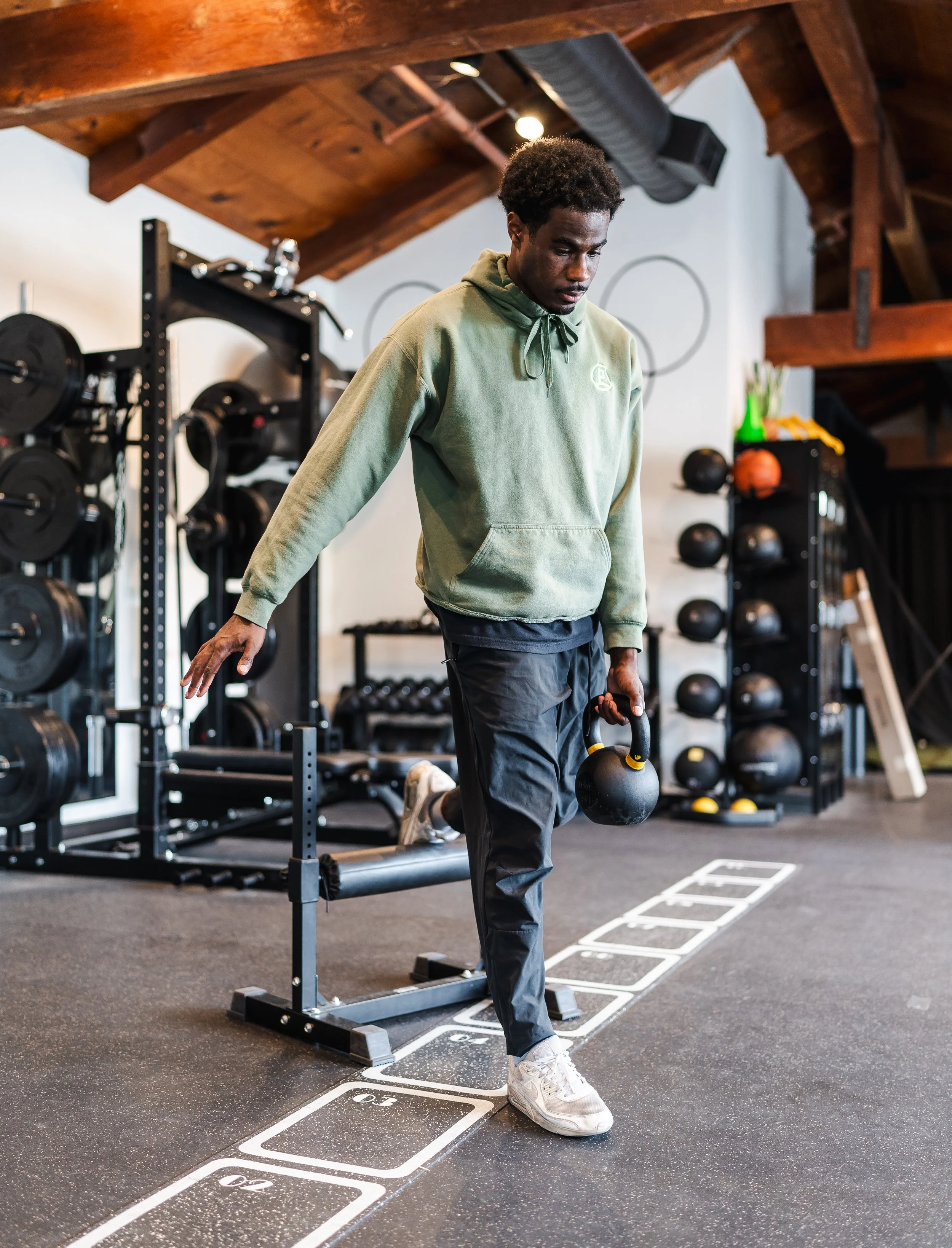
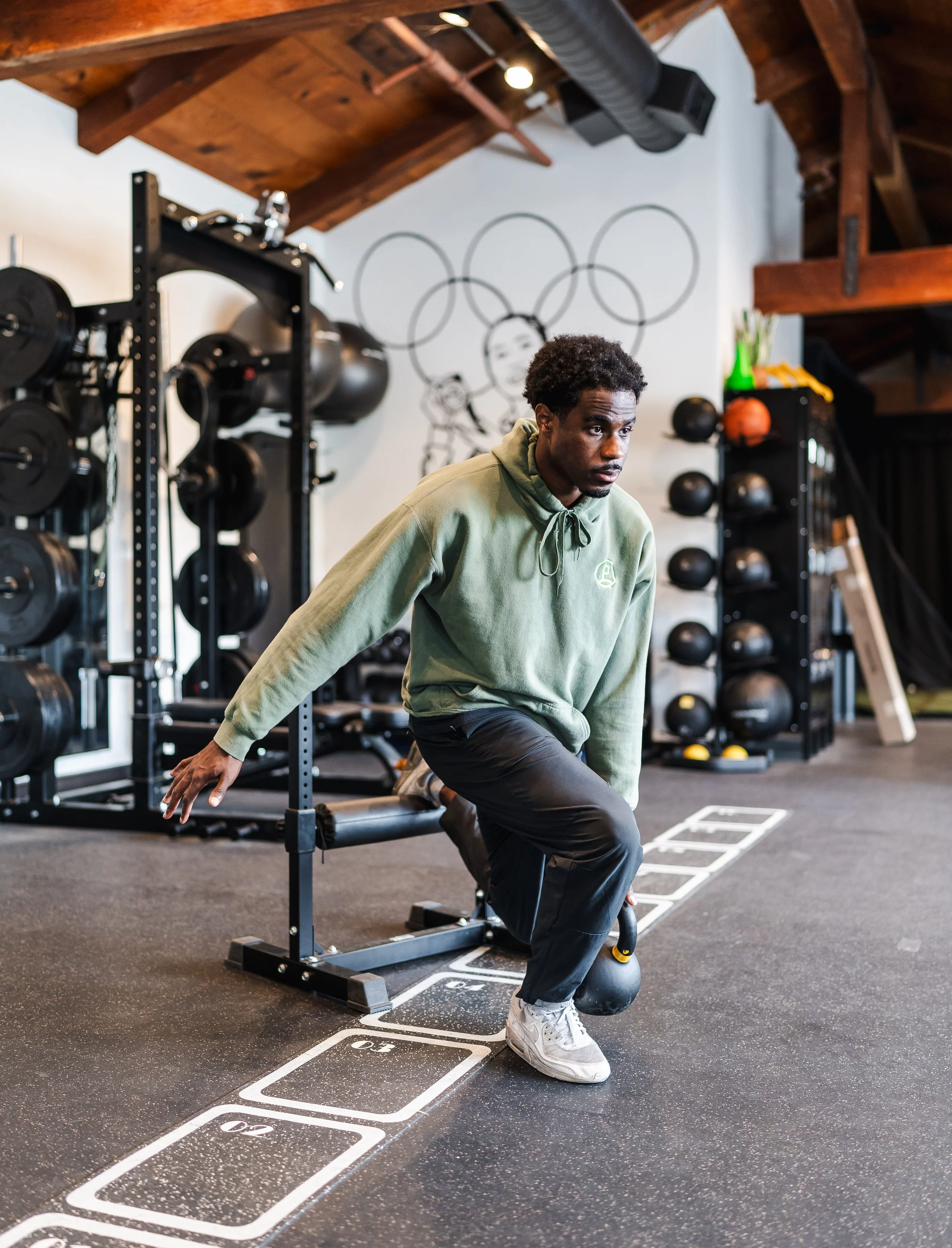
The second key is training the hips while they are loaded in deeper ranges of motion. A deeper backswing typically means a deeper hip turn. While many golfers may be able to access that range of motion, they often struggle to produce force from those positions. In order to generate speed, the hips must not only rotate deeply but also be able to push forcefully out of that loaded position during the transition into the downswing. Developing both mobility and strength in the hips allows the golfer to maintain stability and generate power when the body is coiled. Exercises such as 90/90 hip rotations, which improve internal and external hip rotation, and rear-foot elevated split squats, which strengthen the hips through larger ranges of motion, can help golfers become more powerful from deeper positions.
UNDERSTANDING YOUR FEEL
The final key is finding a personal cue or swing thought that helps create the feeling of lag. While physical limitations can sometimes prevent golfers from achieving the correct positions, many players simply struggle with the feel of the movement. The golf swing happens quickly, and trying to consciously control every segment of the body can be counterproductive. Instead, effective cues can help the body organize itself more naturally. Some golfers respond well to thoughts such as “keep the club behind the hands,” “let the club fall,” or “throw the clubhead late.” The right cue will differ from player to player, but finding a simple mental trigger can often unlock better sequencing and improved lag without overthinking the swing.
At the end of the day. Increasing lag is a combination of mobility, strength, and effective movement cues. By improving thoracic and shoulder mobility, strengthening the hips in deeper ranges of motion, and finding the right swing thought to guide the movement, golfers can create more efficient acceleration of the club. The result is greater clubhead speed, improved energy transfer, and more distance off the tee.